How Chronic Stress Affects Your Body:
Understanding the Impact on Sleep, Digestion, Hormones, and Immunity
MIND AND BODY
1/8/202611 min read
How Chronic Stress Affects Your Body: Understanding the Impact on Sleep, Digestion, Hormones, and Immunity
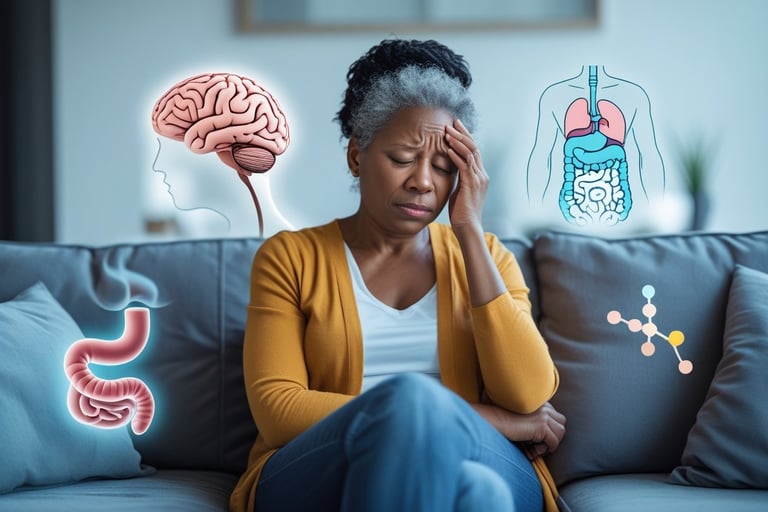
Stress is a natural part of being human, but when it becomes a constant presence in your life, it shifts from a temporary response to a persistent challenge that affects your body in measurable ways. Chronic stress occurs when your stress response system stays activated over weeks, months, or years, which can interfere with how well you sleep, digest food, regulate hormones, and fight off illness. This isn't about occasional pressure at work or temporary worry about a specific event. It's about the ongoing strain that many people experience without fully recognizing its physical toll.
Your body wasn't designed to maintain a high-alert state indefinitely. When stress becomes chronic, it activates biological processes that were meant to be short-term solutions, turning them into long-term problems. Understanding how this happens can help you identify the signs in your own life and take steps to address them.
The good news is that chronic stress isn't an inevitable condition you have to accept. By learning how stress affects specific body systems and recognizing the patterns in your own experience, you can make informed choices about managing it effectively.
Understanding Chronic Stress And Stress Physiology
Stress operates through specific biological pathways involving hormones like cortisol and adrenaline that prepare your body to respond to threats. The distinction between short-term and long-term stress activation determines whether these mechanisms protect you or gradually undermine your health.
The Body's Stress Response: Fight Or Flight In Simple Terms
When you encounter a stressor, your brain's hypothalamus activates a cascade of signals that trigger the release of stress hormones. Your adrenal glands release adrenaline first, which increases your heart rate, elevates blood pressure, and boosts energy supplies within seconds.
Cortisol follows as the primary stress hormone, releasing glucose into your bloodstream and altering immune system responses. This system evolved to help you escape immediate physical dangers by temporarily shutting down non-essential functions like digestion and reproduction.
The response happens automatically whether the threat is a speeding car or an approaching work deadline. Your body cannot distinguish between physical danger and psychological pressure.
Chronic Versus Acute Stress: Key Differences
Acute stress is brief and specific, lasting from minutes to a few hours. Your body activates the stress response, addresses the challenge, then returns to baseline once the situation resolves.
Chronic stress involves repeated or continuous activation of stress pathways over weeks, months, or years. Your cortisol levels remain elevated, and your body never fully recovers between stressful events.
Acute Stress Chronic Stress Short duration Prolonged or repeated Clear beginning and end Ongoing or recurrent Body recovers fully Recovery incomplete Can be energizing Depletes resources
The key difference lies in recovery time. Without adequate rest periods between stress episodes, your biological systems remain in a heightened state that wasn't designed for long-term activation.
Common Causes And Triggers Of Chronic Stress
Financial pressures represent one of the most persistent stressors, creating ongoing worry about bills, debt, or job security. High-pressure jobs with excessive demands, long hours, or lack of control contribute to sustained stress activation.
Relationship conflicts, whether with partners, family members, or coworkers, generate emotional stress that compounds over time. Caregiving responsibilities for children, aging parents, or family members with chronic illnesses create relentless demands.
Health concerns, including chronic pain or managing long-term conditions, keep your stress response engaged. Post-traumatic stress disorder creates sustained physiological stress even after the initial threat has passed.
Major life transitions such as divorce, relocation, or loss of a loved one extend stress beyond the initial event. Even positive changes like a new baby or promotion can become chronic stressors when adjustment demands persist.
Recognizing Signs And Symptoms Of Prolonged Stress
Physical signs of chronic stress include persistent fatigue that doesn't improve with rest, frequent headaches, and muscle tension especially in your neck and shoulders. You might notice digestive changes such as stomach discomfort, changes in appetite, or irregular bowel movements.
Sleep disturbances are common, whether difficulty falling asleep, staying asleep, or waking unrefreshed. Your immune function weakens, leading to more frequent colds or longer recovery times from minor illnesses.
Emotional and cognitive symptoms include irritability, difficulty concentrating, racing thoughts, or feelings of being overwhelmed by routine tasks. You might experience mood swings or find yourself withdrawing from social activities you previously enjoyed.
Behavioral changes often emerge gradually. These include changes in eating patterns, increased reliance on alcohol or substances, or procrastination on important tasks.
How Chronic Stress Disrupts Sleep
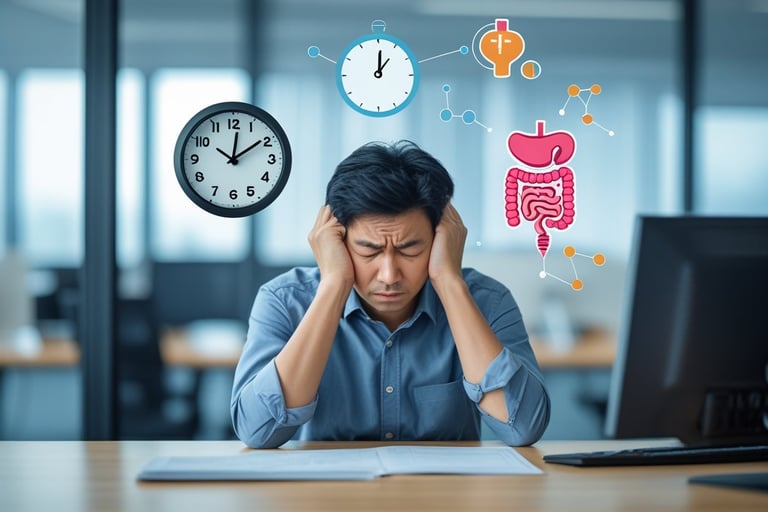
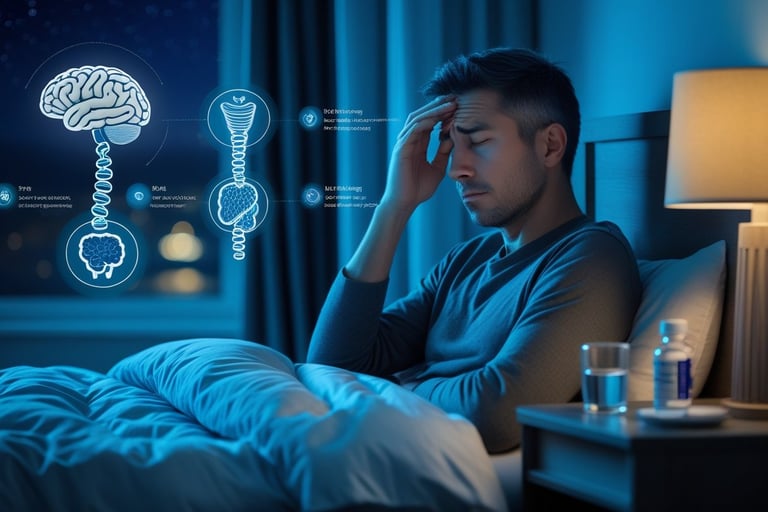
When you experience chronic stress, your body's stress response interferes with the natural processes that allow you to fall asleep and stay asleep. This creates a feedback loop where poor sleep quality makes stress harder to manage, which in turn worsens sleep disturbances.
Why Stress Makes It Hard To Fall Asleep Or Stay Asleep
Your body's stress response activates a cascade of biological changes that directly oppose sleep. When you're stressed, your adrenal glands release cortisol and adrenaline, hormones designed to keep you alert and ready to respond to threats.
Elevated cortisol levels, particularly in the evening, suppress melatonin production. Melatonin is the hormone that signals to your body that it's time to sleep. Without adequate melatonin, you'll find it difficult falling asleep even when you're physically tired.
Rumination is another key factor. When you lie in bed replaying conversations, worrying about deadlines, or planning for tomorrow, your mind remains in an active state. This mental activity keeps your nervous system engaged, preventing the relaxation necessary for sleep onset.
Your heart rate stays elevated, your breathing remains shallow, and your muscles stay tense. These physical manifestations of stress create an environment incompatible with sleep, leading to extended periods of wakefulness at bedtime.
The Vicious Cycle: Stress And Sleep Affect Each Other
Stress and sleep create a bidirectional relationship where each problem worsens the other. When you don't get adequate rest, your body produces more cortisol the following day, making you more reactive to stressors.
Sleep deprivation impairs your prefrontal cortex, the brain region responsible for emotional regulation and decision-making. This means you're less equipped to handle challenges that would normally feel manageable. Tasks that seemed simple become overwhelming.
Poor sleep also increases inflammatory markers in your body. This biological stress compounds the psychological stress you're already experiencing. You might notice you feel more irritable, anxious, or unable to concentrate after a poor night's sleep.
The longer this cycle continues, the more entrenched it becomes. Your body may begin associating your bed with wakefulness and anxiety rather than rest, creating conditioned insomnia that persists even when the original stressor diminishes.
Effects On Sleep Quality And Sleep Architecture
Chronic stress doesn't just affect whether you sleep—it changes how you sleep. Your sleep architecture, the pattern of sleep stages throughout the night, becomes disrupted under persistent stress.
You spend less time in deep sleep stages, particularly slow-wave sleep, which is essential for physical restoration and immune function. Instead, you experience more fragmented sleep with frequent awakenings throughout the night.
Key changes to sleep architecture under stress:
Reduced time in stages 3 and 4 (deep sleep)
Increased light sleep and awakenings
Shortened REM sleep duration
More time spent transitioning between sleep stages
Early morning awakenings become common as cortisol levels spike prematurely. You might wake at 3 or 4 AM with your mind immediately racing, unable to return to sleep. This pattern stems from dysregulated cortisol rhythms, where your body releases stress hormones at inappropriate times.
The lack of restorative sleep means you wake feeling unrefreshed, even if you spent adequate hours in bed. This poor sleep quality accumulates over time, leading to chronic sleep deprivation and its associated health consequences.
Sleep Problems Linked To Persistent Stress
Long-term stress can trigger or worsen several specific sleep disorders. Insomnia is the most common, characterized by persistent difficulty sleeping despite adequate opportunity for rest.
Stress-related insomnia often begins as acute episodes tied to specific events but can develop into chronic insomnia lasting months or years. Your brain forms negative associations with sleep, and anxiety about not sleeping becomes its own perpetuating factor.
Other sleep disturbances linked to ongoing stress include:
Sleep-onset insomnia (difficulty falling asleep initially)
Sleep-maintenance insomnia (waking multiple times)
Terminal insomnia (early morning awakening without returning to sleep)
Nonrestorative sleep (sleeping but not feeling rested)
Some people develop hyperarousal, a state where the nervous system remains overactive even during sleep attempts. Your body stays in a heightened state of alertness, scanning for threats that aren't present.
For those with existing sleep problems, stress typically amplifies symptoms. Treatment often requires addressing both the stress response and the sleep disturbance simultaneously. Approaches like CBT-I (cognitive behavioral therapy for insomnia) help retrain your brain's sleep patterns while teaching stress management techniques.
Wider Impacts Of Chronic Stress On Health: Digestion, Hormones, Immunity, And Well-being
Chronic stress extends beyond mental strain to create measurable changes in your digestive system, hormonal balance, immune response, and cognitive function. Cortisol and other stress hormones affect multiple body systems simultaneously, often creating interconnected health challenges that compound over time.
Digestive Health: Gut Discomfort And Stress
Your digestive system responds directly to stress hormones. When cortisol levels remain elevated, your body redirects blood flow away from the digestive tract toward muscles and vital organs, slowing digestion and nutrient absorption.
This shift can cause several uncomfortable symptoms:
Bloating and gas
Stomach pain or cramping
Diarrhea or constipation
Changes in appetite
Nausea
Chronic stress also affects gut motility, the natural contractions that move food through your intestines. Some people experience faster motility, leading to loose stools, while others face slower movement and constipation.
The gut-brain connection means stress can alter the balance of bacteria in your digestive tract. This disruption may worsen existing digestive conditions or create new sensitivities to certain foods. Your stomach produces more acid during stress, which can contribute to heartburn and discomfort after meals.
Hormones And Metabolic Changes From Ongoing Stress
Stress hormones influence your entire endocrine system. Cortisol affects how your body processes glucose, often raising blood sugar levels to provide quick energy. With chronic stress, this pattern can lead to insulin resistance over time.
Your thyroid function may also shift under prolonged stress. Some people experience slower metabolism, weight changes, and fatigue as cortisol interferes with thyroid hormone production and conversion.
Reproductive hormones respond to chronic stress as well. Women may notice irregular menstrual cycles, while both sexes can experience reduced libido. Your body treats ongoing stress as a survival situation, deprioritizing reproduction in favor of immediate needs.
Stress hormones also influence appetite regulation. Cortisol can increase cravings for high-calorie foods, particularly those rich in sugar and fat. This biological response made sense for short-term physical threats but becomes problematic when stress is psychological and ongoing.
Immunity And Susceptibility To Illness
Your immune system functions differently under chronic stress. Initially, stress hormones can boost certain immune responses, but prolonged exposure has the opposite effect.
Cortisol suppresses the production and activity of white blood cells that fight infections. You may notice you catch colds more frequently or take longer to recover from minor illnesses. Wounds may heal more slowly, and you might be more susceptible to viral infections.
Chronic stress also affects inflammatory responses throughout your body. While short-term inflammation helps fight infections, chronic low-level inflammation contributes to various health issues. This includes increased vulnerability to respiratory infections and slower immune response to vaccines.
Your body's ability to regulate immune function becomes less precise under sustained stress. This can create inappropriate immune responses and may contribute to autoimmune conditions in susceptible individuals.
Mental, Emotional, And Cognitive Effects
Chronic stress affects brain structure and function. Elevated cortisol levels can impair memory formation and recall, particularly for recent events. You might notice difficulty concentrating or feel mentally foggy during stressful periods.
Decision-making becomes harder under chronic stress. Your prefrontal cortex, responsible for planning and judgment, functions less efficiently when stress hormones remain elevated. This can lead to impulsive choices or difficulty weighing options clearly.
Emotional regulation changes as well. You may feel more irritable, anxious, or emotionally reactive to situations that normally wouldn't bother you. Stress and anxiety often feed each other, creating a cycle that affects your mood stability.
Sleep and mental health are closely linked to stress levels. Cortisol normally follows a daily rhythm, but chronic stress disrupts this pattern, making it harder to fall asleep or stay asleep. Poor sleep then reduces your capacity to handle stress the following day.
Muscle tension from ongoing stress contributes to physical discomfort that affects mental well-being. Headaches, jaw clenching, and shoulder tightness create additional sources of discomfort that compound the psychological burden of stress.
Practical Strategies To Manage Chronic Stress And Improve Sleep Quality
Breaking the stress-sleep cycle requires a multi-faceted approach that addresses both mental patterns and daily habits. Effective interventions include relaxation practices, structured sleep routines, lifestyle modifications, and when necessary, professional therapeutic support.
Mindfulness, Meditation, And Relaxation Techniques
Mindfulness meditation trains your attention to stay present rather than ruminating on stressors. Studies show that mindfulness-based stress reduction programs can lower cortisol levels and improve sleep quality within eight weeks of regular practice.
Deep breathing exercises activate your parasympathetic nervous system, triggering the relaxation response that counters stress. Try the 4-7-8 technique: inhale for four counts, hold for seven, exhale for eight. This pattern slows your heart rate and signals safety to your brain.
Progressive muscle relaxation involves systematically tensing and releasing muscle groups from your toes to your head. This practice reduces physical tension and helps you identify where you hold stress in your body.
Guided imagery uses mental visualization to create calming scenarios. You might imagine a peaceful beach or forest, engaging all your senses in the experience. These relaxation techniques work best when practiced regularly, not just during acute stress.
Building Effective Bedtime And Sleep Routines
A consistent sleep schedule regulates your circadian rhythm. Go to bed and wake up at the same time every day, including weekends, to strengthen your body's natural sleep-wake signals.
Your relaxing bedtime routine should begin 30-60 minutes before sleep. This might include:
Dimming lights throughout your home
Taking a warm bath or shower
Reading a physical book
Gentle stretching
Listening to calm music
Sleep hygiene extends beyond bedtime rituals. Keep your sleep environment cool (65-68°F), dark, and quiet. Reserve your bed exclusively for sleep and intimacy to build a strong mental association between bed and rest.
Limit screen time for at least one hour before bed. Blue light from devices suppresses melatonin production and keeps your brain alert when it should be winding down.
Lifestyle Actions: Exercise, Diet, And Stress Management
Regular physical activity reduces stress hormones and promotes deeper sleep. Aim for 150 minutes of moderate exercise weekly, but avoid intense workouts within three hours of bedtime as they can be temporarily stimulating.
Morning or afternoon exercise works best for sleep quality. Regular exercise also builds resilience to stress by improving your body's ability to regulate cortisol and adrenaline.
Your diet affects both stress levels and sleep. Limit caffeine after 2 PM and avoid large meals close to bedtime. Alcohol may help you fall asleep initially but disrupts sleep architecture later in the night.
Managing stress during the day prevents nighttime sleep disruption. Build a stress routine that includes scheduled breaks, time outdoors, and activities you enjoy. Social support from friends, family, or community groups provides emotional buffering against chronic stress.
Seeking Professional Help And Cognitive Behavioral Therapy
Cognitive behavioral therapy for insomnia (CBT-I) is the first-line treatment for chronic sleep problems. This structured program addresses thought patterns and behaviors that perpetuate sleep difficulties, typically producing results within 6-8 sessions.
A trained therapist helps you identify unhelpful beliefs about sleep and develop effective coping mechanisms. CBT-I includes sleep restriction, stimulus control, and cognitive restructuring techniques specifically designed to break the stress-sleep cycle.
When stress involves anxiety or depression, a psychiatrist can evaluate whether medication might support your recovery alongside therapy. Mental health professionals can also teach advanced stress management skills tailored to your specific triggers.
Consider professional help if you experience persistent insomnia lasting more than three months, if stress significantly impairs your daily functioning, or if you have thoughts of self-harm. Early intervention prevents chronic patterns from becoming entrenched.



The Healthyish Protocol
Stay connected and follow us on social media for the latest updates!
Express your ideas or propose a topic.
© 2024. All rights reserved.