How Much Water You Really Need:
Science-Based Hydration Guidelines for Optimal Health
FOUNDATIONS
1/19/20264 min read
How Much Water You Really Need: Science-Based Hydration Guidelines for Optimal Health
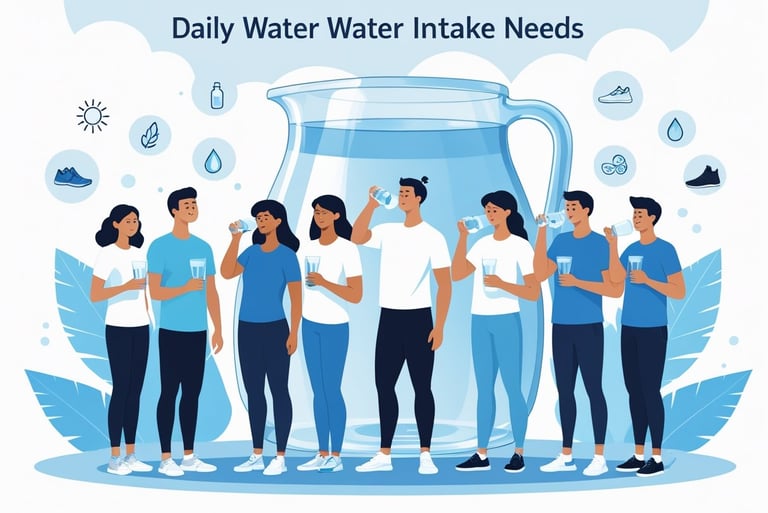
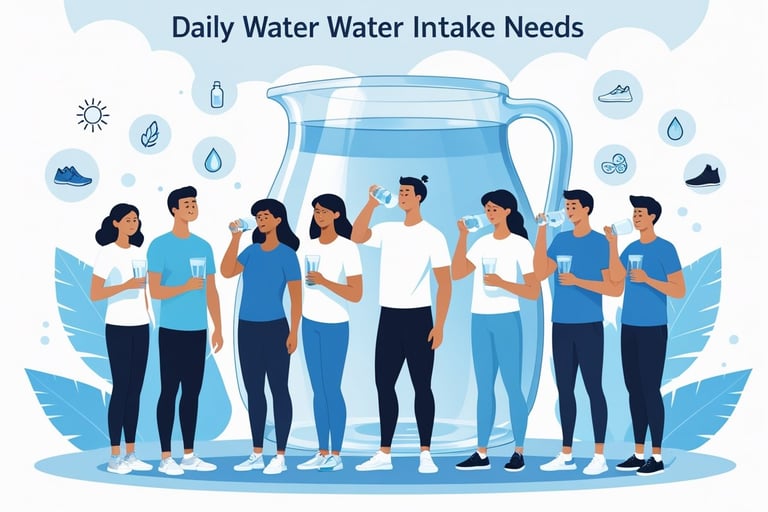
Water makes up about 60% of your adult body weight and plays a role in nearly every bodily function. Despite common advice to drink eight glasses daily, the amount you actually need varies based on individual factors like activity level, climate, and overall health.
The average healthy adult living in a temperate climate typically needs between 11.5 to 15.5 cups of total fluid per day from all beverages and foods combined, though your specific needs may differ. Your body loses water constantly through breathing, sweating, urination, and bowel movements, making regular replenishment necessary for proper function.
Understanding your personal hydration needs goes beyond following generic recommendations. Factors such as your physical activity, environment, and health conditions all influence how much water your body requires to maintain optimal function.
Key Takeaways
Your daily water needs depend on individual factors like activity level, climate, and health status rather than a one-size-fits-all rule
Most adults need 11.5 to 15.5 cups of total fluid daily from both beverages and water-rich foods
Proper hydration supports essential body functions while both dehydration and overhydration can cause health problems
Determining How Much Water You Really Need
Your body's water requirements depend on multiple factors including your age, activity level, and environment. While general guidelines exist, your individual hydration needs may vary significantly from standard recommendations.
Recommended Daily Water Intake for Adults and Children
The Academy of Nutrition and Dietetics provides baseline recommendations for daily fluid intake based on age and sex. Adult men should aim for approximately 15.5 cups (3.7 liters) of total fluids per day, while adult women need about 11.5 cups (2.7 liters).
Children's hydration needs increase with age. Toddlers ages 1-3 require roughly 4 cups daily, while children ages 4-8 need about 5 cups. Older children ages 9-13 should consume 7-8 cups, and teenagers need amounts closer to adult recommendations.
These figures include fluids from all sources, not just drinking water. About 20% of your daily water intake typically comes from food, particularly fruits and vegetables with high water content. The remaining 80% should come from beverages, with water being the healthiest choice.
Factors Affecting Individual Hydration Needs
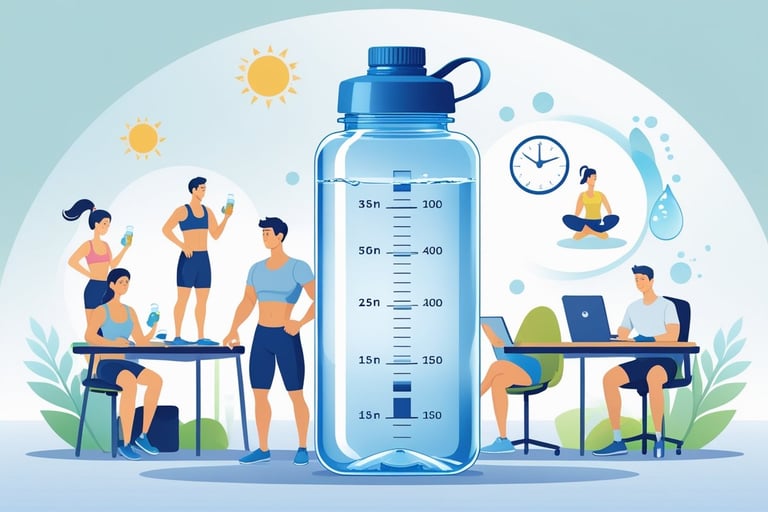
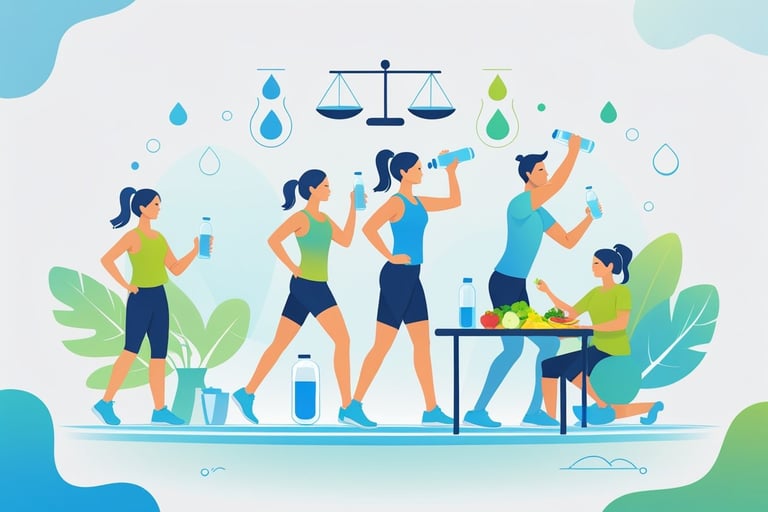
Your activity level significantly impacts how much water you should drink. Physical exercise increases fluid loss through sweat, requiring you to drink additional water before, during, and after workouts.
Climate and environment alter your fluid needs substantially. Hot or humid weather causes increased perspiration, demanding higher water consumption. High altitudes also trigger faster breathing and more frequent urination, depleting your body's water stores more rapidly.
Health conditions affect your hydration requirements. Fever, vomiting, or diarrhea cause rapid fluid loss that you must replace. Pregnancy and breastfeeding increase daily water needs by 2-3 cups. Certain medications, including diuretics, also elevate your fluid requirements.
Your body weight influences how much water to drink. Larger individuals generally need more fluids than smaller people to maintain proper hydration.
Understanding the 8 Glasses a Day Guideline
The "8 glasses a day" rule suggests drinking eight 8-ounce glasses of water daily, totaling 64 ounces or about 2 liters. This guideline serves as an easy-to-remember starting point but lacks scientific precision.
This recommendation doesn't account for individual differences in body size, activity level, or environmental conditions. A sedentary office worker in a cool climate needs less water than an athlete training outdoors in summer heat.
Your total daily fluid intake includes more than plain water. Coffee, tea, milk, juice, and water-rich foods all contribute to meeting your hydration needs. Even caffeinated beverages count toward your daily intake, though water remains the optimal choice for hydration without added calories or caffeine.
Optimizing Hydration and Preventing Imbalance
Maintaining proper hydration requires recognizing when your body needs water and understanding the boundaries between too little and too much. Balance is essential for health benefits of water to work effectively in your body.
Signs and Symptoms of Dehydration
Your body sends clear signals when it needs water. Thirst is the most obvious indicator, but waiting until you feel thirsty means you're already mildly dehydrated.
Common signs of dehydration include:
Dark yellow or amber-colored urine
Dry mouth and lips
Fatigue and decreased energy
Headaches
Dizziness or lightheadedness
Decreased urine output
More severe symptoms of dehydration can involve rapid heartbeat, confusion, and extreme fatigue. If you experience dark urine consistently or notice you're urinating less than four times daily, you need to drink more water.
Physical activity, hot weather, and illness increase your risk of dehydration. Athletes and outdoor workers should monitor their hydration status more carefully and drink water throughout the day rather than waiting for thirst signals.
Risks of Overhydration and Hyponatremia
Drinking too much water, while rare, can lead to dangerous conditions. Overhydration dilutes sodium levels in your bloodstream, causing hyponatremia or water intoxication.
This condition occurs most often in endurance athletes who consume excessive water without replacing electrolytes. When sodium levels drop too low, cells swell with water, which can affect brain function.
Warning signs of hyponatremia include:
Nausea and vomiting
Headache
Confusion or disorientation
Muscle weakness or cramps
Seizures in severe cases
You maintain electrolyte balance by drinking according to thirst and consuming sodium through regular meals. During intense exercise lasting over an hour, consider beverages that contain electrolytes rather than plain water alone.
Incorporating Water-Rich Foods and Beverages
You don't need to rely solely on drinking water to meet your hydration goals. Water-rich foods contribute significantly to your daily fluid intake.
Hydrating foods with high water content:
Food Water Content Cucumbers 96% Lettuce 95% Watermelon 92% Strawberries 91% Cantaloupe 90% Oranges 86%
Soups, broths, and smoothies also support proper hydration. Sparkling water and infused water offer variety if plain water feels monotonous.
Carry a water bottle with you to make drinking easier throughout your daily routine. Coffee and tea count toward fluid intake, though beverages with high caffeine content have mild diuretic effects. Most people who regularly consume caffeinated drinks develop tolerance to this effect, making these beverages valid hydration sources.

The Healthyish Protocol
Stay connected and follow us on social media for the latest updates!
Express your ideas or propose a topic.
© 2024. All rights reserved.