What Balanced Eating Really Means:
A Science-Based Guide to Nutritional Wellness
NUTRITION
1/10/20265 min read
What Balanced Eating Really Means: A Science-Based Guide to Nutritional Wellness
Balanced eating isn't about following rigid food rules or achieving perfection at every meal. It's easy to feel overwhelmed by conflicting nutrition advice, but the reality is much more straightforward than you might think.
Balanced eating means including a variety of nutrient-dense foods across your meals while still having flexibility to enjoy all types of food without guilt. This approach focuses on what you can add to your plate rather than what you need to eliminate. You don't have to cut out entire food groups or label foods as "good" or "bad" to eat well.
Understanding how to build meals that support your health doesn't require complicated formulas or restrictive diets. You'll learn what actually makes a meal balanced, which key components to include, and how to apply these principles in your everyday life.
Decoding Balanced Eating: What It Really Means
Balanced eating centers on sustainable patterns that honor both nutrition and personal preferences, rather than rigid adherence to restrictive food rules. It involves recognizing hunger and fullness cues while building meals that provide diverse nutrients across days and weeks.
Flexible Patterns and Long-Term Balance
Balanced eating doesn't require perfection at every meal. Your eating patterns should zoom out to consider what you consume over several days or even a week, not just a single plate.
Some days you'll eat more vegetables, other days you might have less. What matters is the overall pattern that emerges when you look at your choices collectively. This approach removes the pressure to create a "perfect" balanced plate at every eating occasion.
You can think of balance as a rhythm rather than a rigid formula. If lunch was lighter on protein, dinner can compensate. If Tuesday included fewer nutrient-dense foods, Wednesday offers another opportunity. This flexibility makes balanced eating sustainable for the long term without triggering feelings of failure or restriction.
Nutritional and Emotional Elements of Balanced Eating
A balanced meal typically includes several components working together:
Protein sources (meat, fish, legumes, eggs, dairy)
Complex carbohydrates (whole grains, starchy vegetables, fruits)
Healthy fats (oils, nuts, seeds, avocado)
Vegetables and fruits for fiber and micronutrients
Beyond these nutritional building blocks, balanced eating also addresses your emotional relationship with food. Listen to your body by checking in with hunger and fullness cues before, during, and after eating. This practice helps you distinguish between physical hunger and emotional triggers.
Your balanced meals should satisfy both your nutritional needs and your taste preferences. Food that nourishes you physically but leaves you feeling deprived isn't truly balanced.
Common Misconceptions and Mindset Shifts
Many people believe balanced eating means equal portions of each food group or eliminating entire categories. This misconception leads to unnecessary restriction and rigid thinking around meals.
Balanced eating is not about banning foods or following a specific ratio at every meal. You don't need to measure portions precisely or avoid foods you enjoy. Instead, shift your mindset from rules to guidelines that adapt to your circumstances.
Another common myth suggests that balanced eating requires expensive or hard-to-find ingredients. In reality, you can build balanced plates using affordable, accessible foods from any grocery store. Frozen vegetables, canned beans, and simple proteins all contribute to nutritionally adequate meals.
The goal is adequacy and variety, not perfection or restriction.
The Core Components of a Balanced Plate
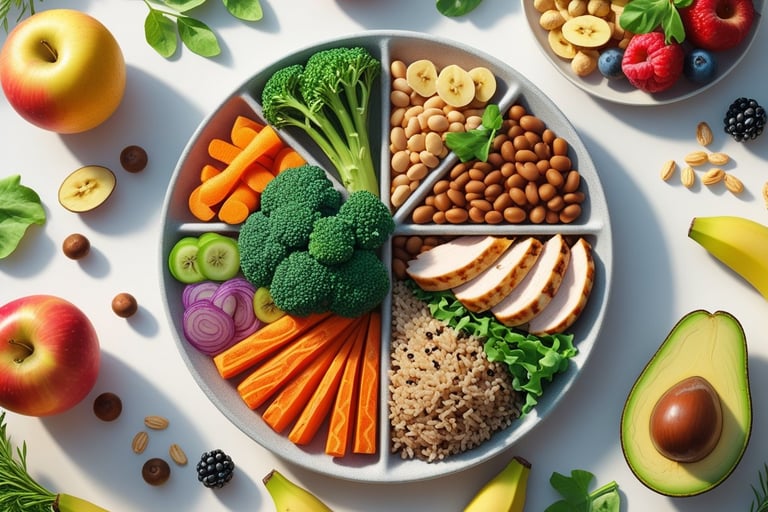
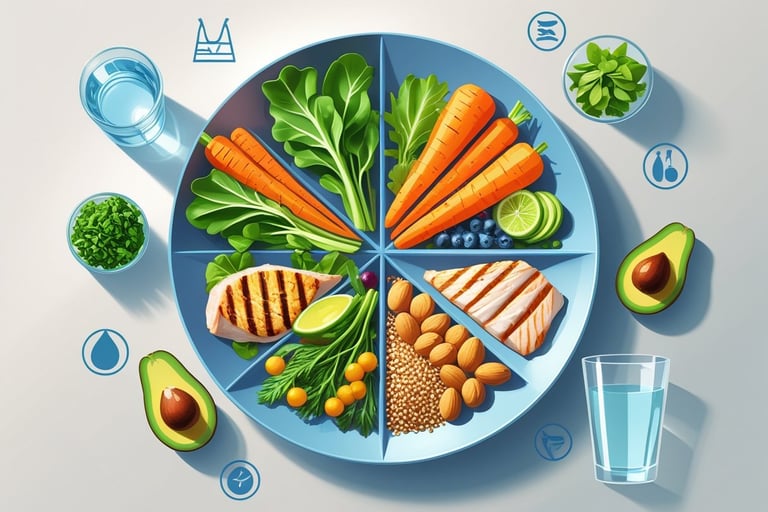
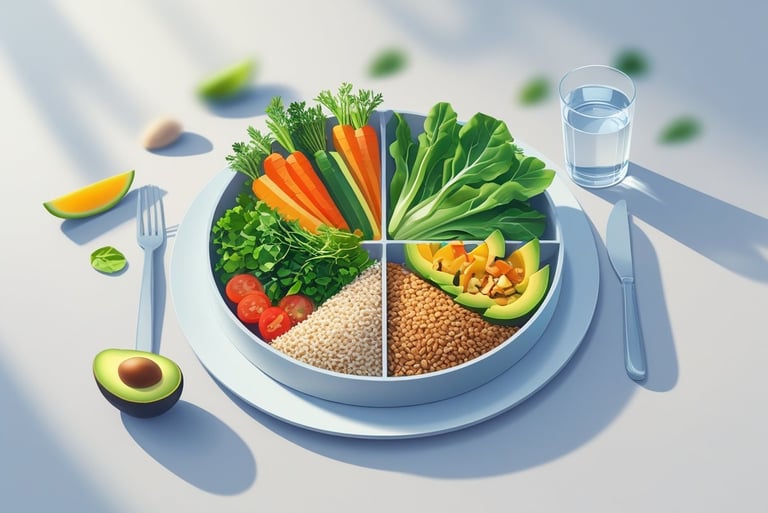
A balanced plate includes four essential elements: adequate protein for satiety, quality carbohydrates for sustained energy, healthy fats for cellular function, and fiber-rich produce for nutrient density. Understanding how to incorporate each component helps you make informed choices at every meal.
The Role of Protein in Satiety and Energy
Protein serves as the foundation for muscle maintenance, immune function, and prolonged fullness between meals. When you include protein at each meal, you stabilize blood sugar levels and reduce the likelihood of energy crashes.
Animal-based protein sources include eggs, turkey, fatty fish like salmon, sardines, and tuna, as well as Greek yogurt. These options provide complete proteins with all essential amino acids your body needs.
Plant-based protein options such as lentils, tofu, tempeh, and legumes offer additional benefits through fiber and phytonutrients. While individual plant proteins may lack certain amino acids, combining different sources throughout the day ensures you meet your needs.
Aim for a palm-sized portion of protein at main meals. This typically translates to 20-30 grams per meal for most adults, though your specific requirements depend on body size, activity level, and health goals.
Carbohydrates: Quality, Variety, and the 'Carbs Are Not the Enemy' Approach
Carbohydrates provide your brain and muscles with their preferred fuel source. The quality and type of carbohydrates you choose matters more than avoiding them entirely.
Whole grains like quinoa, brown rice, and oats contain the intact bran, germ, and endosperm. These components deliver B vitamins, minerals, and fiber that refined grains lack. Fiber-rich carbs slow digestion and provide steady energy rather than rapid spikes and crashes.
Starchy vegetables such as sweet potato offer complex carbohydrates alongside vitamins A and C, potassium, and antioxidants. Legumes double as both carbohydrate and plant-based protein sources, making them particularly valuable for balanced eating.
Fill roughly one-quarter of your plate with these nutrient-dense carbohydrate sources. Your activity level may require adjustments—active individuals often need larger portions to fuel their training and recovery.
Essential Fats and Healthy Fat Sources
Fats support hormone production, vitamin absorption, brain health, and cellular structure. Including healthy fats at meals enhances the absorption of fat-soluble vitamins A, D, E, and K from your food.
Fatty fish including salmon, sardines, and tuna provide EPA and DHA omega-3 fatty acids that reduce inflammation. If you don't consume fish, you can obtain ALA omega-3s from walnuts, flaxseeds, and chia seeds, though your body must convert these to EPA and DHA.
The Mediterranean diet emphasizes olive oil as a primary fat source due to its monounsaturated fats and polyphenols. Avocado provides similar benefits along with fiber and potassium.
While saturated fat from sources like butter and coconut oil isn't harmful in moderation, prioritizing unsaturated fats offers greater health benefits. Remember that fats are calorie-dense at 9 calories per gram, so portions matter—a thumb-sized amount or 1-2 tablespoons typically suffices per meal.
Fiber, Produce, and Nutrient-Density
Fiber and produce form the nutritional backbone of balanced eating. Vegetables and fruits deliver vitamins, minerals, antioxidants, and phytochemicals that processed foods cannot replicate.
Fill half your plate with non-starchy vegetables and fruits. This approach naturally increases your fiber intake to support digestive health, blood sugar regulation, and satiety. Aim for variety in color—dark leafy greens, orange and red peppers, purple cabbage, and white cauliflower each provide distinct nutrient profiles.
Fiber-rich carbs like legumes, whole grains, and starchy vegetables contribute additional fiber beyond produce. Most adults need 25-35 grams of fiber daily, yet typical intake falls short at 15 grams.
Nutrient-dense foods provide substantial vitamins and minerals relative to their calorie content. Prioritizing these options ensures you meet micronutrient needs without excessive calories, supporting both health maintenance and weight management when relevant.

The Healthyish Protocol
Stay connected and follow us on social media for the latest updates!
Express your ideas or propose a topic.
© 2024. All rights reserved.