What Stress Actually Does to Your Body:
The Physical Impact Explained
MIND AND BODY
1/12/20265 min read
What Stress Actually Does to Your Body: The Physical Impact Explained
Stress does more than make you feel overwhelmed. When you experience stress, your body activates a complex biological response that affects nearly every system, from your brain and heart to your immune function and digestion. This reaction helped your ancestors survive immediate threats, but today's chronic stress can reshape your body in ways that harm your long-term health.
Your body treats a looming work deadline the same way it would treat a physical threat. Your brain triggers hormone releases, your heart rate increases, and your muscles tense up. While this response can help you handle short-term challenges, prolonged activation of these systems creates physical changes that increase your risk for serious health conditions.
Understanding what happens inside your body during stress gives you the knowledge to recognize warning signs and take action. The physical effects range from immediate symptoms like headaches and sleep problems to long-term consequences including high blood pressure, heart disease, and weakened immunity.
Key Takeaways
Your body's stress response triggers hormonal and physical changes that affect multiple organ systems simultaneously
Short-term stress helps you cope with challenges, but chronic stress remodels your body in harmful ways
Managing stress effectively reduces your risk of developing serious health conditions like heart disease and diabetes
The Science Behind Stress: How Your Body Reacts
When you experience stress, your body launches a complex biological response involving your brain, nervous system, and hormones. Your central nervous system activates a cascade of chemical reactions designed to help you respond to perceived threats, whether they're physical dangers or psychological pressures.
What Triggers the Stress Response
Your stress response can be activated by any situation your brain perceives as threatening or demanding. Physical triggers include injury, illness, or immediate danger. Psychological triggers include work deadlines, financial problems, relationship conflicts, and daily hassles like traffic jams.
The trigger doesn't have to be life-threatening to activate your body's alarm system. Your brain can't always distinguish between a genuine physical threat and a stressful email from your boss. Both can set off the same biological cascade.
Common stress triggers include:
Work pressure and deadlines
Financial difficulties
Relationship problems
Major life changes
Chronic illness
Traumatic events
Daily inconveniences
Your amygdala, the brain's threat detection center, constantly scans your environment for potential dangers. When it identifies a stressor, it immediately signals other brain regions to initiate the stress response before you're even consciously aware of the threat.
The Role of the Brain and Nervous System
Your central nervous system coordinates your entire stress response. The process begins when your amygdala detects a threat and sends a distress signal to your hypothalamus, which functions as your brain's command center.
Your hypothalamus activates your autonomic nervous system, which controls involuntary body functions. This system has two branches: the sympathetic nervous system triggers the fight-or-flight response, while the parasympathetic nervous system helps you return to calm.
During the fight-or-flight response, your sympathetic nervous system takes over. It signals your adrenal glands to release stress hormones and prepares your body for immediate action. Your heart rate increases, your breathing quickens, and blood flow redirects to your muscles.
Your nervous system also affects how you experience acute stress versus short-term stress. Acute stress produces an immediate, intense response that typically resolves quickly. Short-term stress may last hours or days as your nervous system remains partially activated.
Stress Hormones and Their Functions
Your endocrine system releases specific stress hormones that create the physical sensations you associate with being stressed. Adrenaline (also called epinephrine) is your body's first responder. It increases your heart rate, elevates your blood pressure, and boosts energy supplies within seconds of a threat appearing.
Cortisol, the primary stress hormone, follows shortly after. Your adrenal glands release cortisol to maintain your heightened state of alertness. It increases glucose in your bloodstream, enhances your brain's use of that glucose, and temporarily suppresses non-essential functions like digestion and reproduction.
Under normal circumstances, cortisol levels drop once the threat passes. Your parasympathetic nervous system then helps restore balance. However, when stress becomes chronic, your body continues pumping out cortisol even when you don't face immediate danger.
These stress hormones serve important protective functions during genuine emergencies. They sharpen your focus, increase your strength, and speed up your reaction time. The problem occurs when your body releases them constantly in response to ongoing psychological stressors, which can even contribute to panic attacks and other health complications.
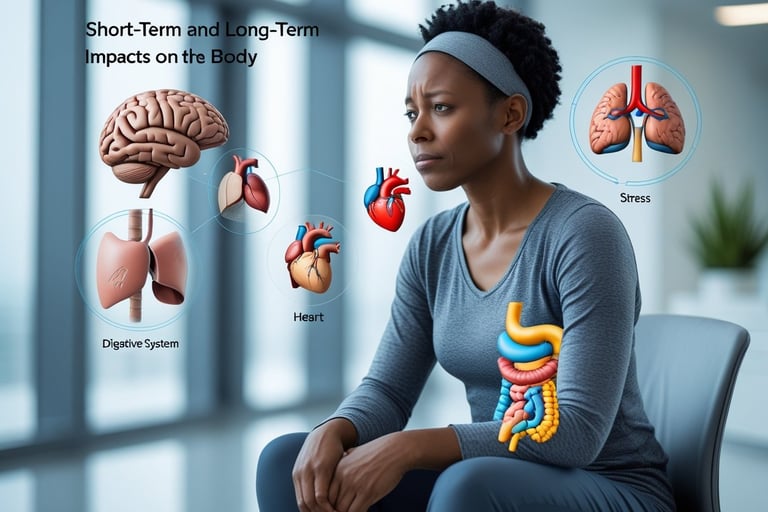
Short-Term and Long-Term Impacts of Stress on Your Body
Stress triggers immediate physical reactions designed to protect you, but when these responses persist, they begin damaging multiple body systems. Your cardiovascular, digestive, immune, and reproductive systems all respond differently to acute versus chronic stress, creating a range of symptoms from muscle tension to hormonal imbalances.
Cardiovascular and Respiratory Changes
When you encounter stress, your heart rate increases and blood vessels constrict, raising your blood pressure. This short-term response helps you react quickly to threats. However, chronic stress keeps your cardiovascular system in overdrive, significantly increasing your risk for long-term complications.
Over time, elevated blood pressure strains your heart and arteries. This persistent strain damages blood vessel walls and contributes to atherosclerosis, making you more vulnerable to heart attack and stroke.
Your respiratory system also responds to stress by increasing breathing rate. If you have asthma or other breathing conditions, stress can worsen your symptoms and trigger attacks. The combination of cardiovascular and respiratory changes explains why you might feel chest tightness or shortness of breath during stressful periods.
Mental and Emotional Health Effects
Stress directly affects your brain chemistry and emotional state. Short-term stress can sharpen your focus temporarily, but prolonged exposure leads to anxiety, depression, and other mental health challenges that become increasingly difficult to manage.
Your sleep patterns deteriorate under chronic stress, often resulting in insomnia or disrupted sleep cycles. Poor sleep then amplifies other stress symptoms, creating a cycle that's hard to break. You may experience brain fog, difficulty concentrating, and memory problems.
Irritability becomes more common as stress hormones remain elevated. You might find yourself withdrawing from social situations or relationships that previously brought you comfort. These behavioral changes can compound feelings of isolation and worsen your mental health over time.
Digestive, Muscular, and Immune Responses
Your digestive system slows down during stress as blood flow redirects to muscles and vital organs. This causes heartburn, acid reflux, nausea, and bloating. Chronic stress can contribute to more serious conditions including ulcers, constipation, and diarrhea.
Stress also affects your eating patterns, leading to overeating or loss of appetite. These changes often result in weight gain and indigestion that further compromise your digestive health.
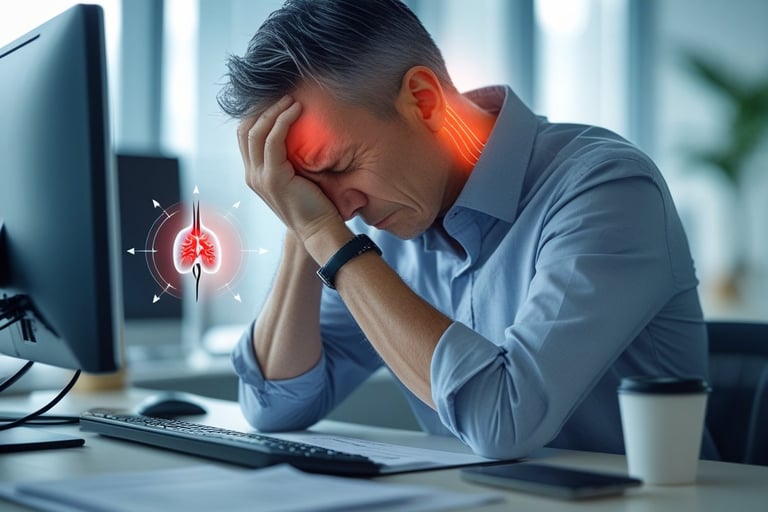
Muscle tension is one of the most immediate stress responses. Your shoulders, neck, and back tighten automatically, leading to persistent headaches, shoulder pain, and body aches. This tension can become chronic if stress continues unmanaged.
Your immune system weakens under prolonged stress, making you more susceptible to the flu and viral illnesses. You'll likely catch colds more frequently and experience more severe symptoms. Chronic stress also increases inflammation throughout your body, potentially triggering or worsening autoimmune diseases like lupus and rheumatoid arthritis. You may develop thyroid problems, hives, or experience flare-ups of existing conditions.
Reproductive Health and Hormonal Balance
Stress disrupts your reproductive system through hormonal imbalances. In men, chronic stress lowers testosterone levels and can cause erectile dysfunction. Women often experience irregular menstrual cycles, more painful periods, or complete cycle disruption.
Both men and women face fertility issues when stress hormones interfere with reproductive hormones. Conception becomes more difficult, and existing reproductive conditions may worsen. The hypothalamic-pituitary-adrenal axis, which regulates stress response, directly impacts the hormones controlling reproduction.
Fatigue from chronic stress further affects sexual function and desire. Your body prioritizes survival responses over reproductive functions, essentially putting reproduction on hold until it perceives the stressful threat has passed.



The Healthyish Protocol
Stay connected and follow us on social media for the latest updates!
Express your ideas or propose a topic.
© 2024. All rights reserved.