What Supplements Can and Can't Do:
A Science-Based Guide to Their Real Benefits and Limitations
SUPPLEMENTS
1/15/20266 min read
What Supplements Can and Can't Do: A Science-Based Guide to Their Real Benefits and Limitations
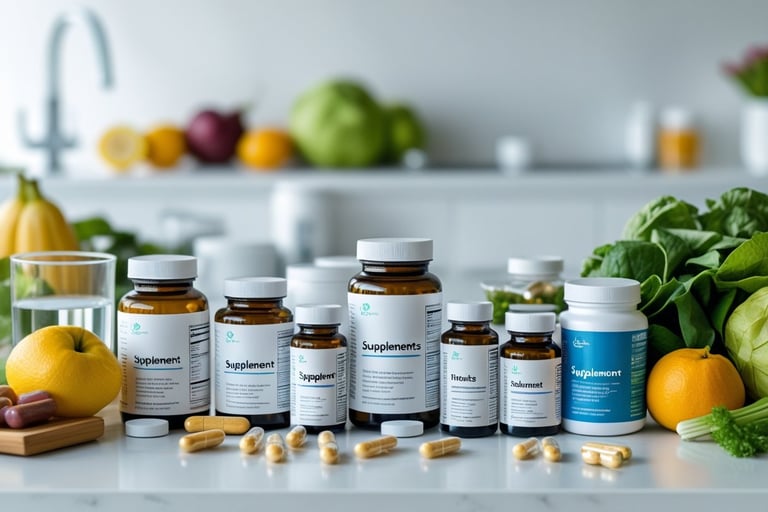
More than half of adults in the United States take dietary supplements as part of their daily routine, hoping to boost their health, fill nutritional gaps, or prevent disease. The supplement industry offers over 100,000 different products, from basic multivitamins to specialized herbal formulas, making it difficult to know what actually works and what doesn't.
Supplements can help you meet your nutritional needs when your diet falls short, but they cannot replace the benefits of eating a variety of whole foods or serve as a cure for medical conditions. Understanding what supplements are capable of doing versus what they promise is essential for making informed decisions about your health. Some supplements do provide real benefits for specific deficiencies or health needs, while others may be unnecessary or even risky.
The lack of regulation in the supplement industry adds another layer of complexity to your choices. Unlike prescription medications, supplements don't undergo the same rigorous testing before reaching store shelves, which means you need to be aware of potential interactions, side effects, and quality concerns. Knowing how to use supplements safely and effectively can help you protect your health while getting the most value from the products you choose.
Key Takeaways
Supplements can fill nutritional gaps but cannot substitute for a healthy, varied diet
Not all supplements are beneficial, and some may interact with medications or cause side effects
Understanding proper use and safety considerations helps you make informed supplement decisions
What Supplements Can and Can't Do
Supplements work by delivering concentrated nutrients directly into your system, but they cannot replicate the complex nutritional matrix found in whole foods. Understanding both their proven benefits and limitations helps you make informed decisions about which products deserve a place in your routine.
How Supplements Work in the Body
When you take dietary supplements, your body absorbs vitamins, minerals, and other compounds through your digestive system. These nutrients enter your bloodstream and travel to cells throughout your body where they support various functions.
The absorption rate depends on several factors. Fat-soluble vitamins like A, D, E, and K require dietary fat for proper absorption, while water-soluble vitamins like C and B-complex dissolve easily and enter your bloodstream more quickly.
Your body processes supplements differently than nutrients from whole foods. The bioavailability of synthetic nutrients can be lower because they lack the cofactors and enzymes naturally present in food sources. Heat processing used to make supplements shelf-stable can also reduce their potency.
Some supplements work better when taken with specific nutrients. For example, vitamin D enhances calcium absorption, while vitamin C improves iron uptake from plant sources. Timing matters too—some work best on an empty stomach, while others need food to minimize digestive discomfort.
Limitations of Supplements Compared to Whole Foods
Whole foods contain thousands of beneficial compounds that work together in ways supplements cannot replicate. When you eat an orange, you get vitamin C plus fiber, flavonoids, and other phytonutrients that enhance absorption and provide additional health benefits.
Evidence suggests that many nutrients are better absorbed from foods than from supplements. The natural combination of vitamins, minerals, and other compounds in whole foods creates synergistic effects that isolated nutrients cannot match.
Supplements cannot compensate for a poor diet. They lack the fiber, protein, and healthy fats your body needs for optimal function. A registered dietitian can help you identify whether dietary changes or supplements better address your nutritional gaps.
Food provides satiety and supports gut health through diverse nutrients and fiber. No multivitamin can replace the protective compounds found in vegetables, fruits, legumes, and whole grains that reduce disease risk.
Supplements and Proven Benefits
Omega-3 fatty acids from fish oil support heart health and reduce inflammation in people with limited fatty fish intake. Studies show that omega-3 supplements can lower triglyceride levels and may reduce cardiovascular disease risk.
Vitamin D supplementation benefits those with confirmed deficiency, supporting bone health and immune function. Many people need supplements during winter months or if they have limited sun exposure.
Folic acid prevents neural tube defects when taken before and during early pregnancy. This B vitamin is one of the most strongly recommended supplements for women of childbearing age.
Probiotics can restore gut bacteria balance after antibiotic use and may help with specific digestive issues. Certain strains have proven benefits for conditions like irritable bowel syndrome.
Iron supplements effectively treat iron-deficiency anemia when prescribed by a healthcare provider. However, you should only take iron if testing confirms you need it, as excess iron can cause harm.
Supplements That Are Overrated
Antioxidant supplements like vitamin E and beta-carotene have not shown the disease-prevention benefits once promised. Some studies suggest high-dose antioxidant pills may interfere with your body's natural protective mechanisms.
Echinacea remains popular for preventing colds, but research shows minimal to no benefit. Multiple studies have failed to demonstrate that this herb reduces cold frequency or severity.
Multivitamins provide no clear health advantages for people eating a reasonably balanced diet. Large studies have not found that daily multivitamins prevent chronic diseases or extend lifespan in well-nourished populations.
Many herbal and botanical supplements lack solid evidence supporting their marketed claims. The supplement industry often promotes products based on traditional use rather than rigorous scientific testing.
Megadoses of vitamins and minerals typically offer no additional benefit beyond meeting basic requirements. Your body excretes excess water-soluble vitamins, while fat-soluble vitamins can accumulate to toxic levels.
Interactions, Risks, and Smart Supplement Use
Supplements can interfere with each other and medications in ways that reduce effectiveness or create health risks. Understanding how nutrients compete for absorption, recognizing signs of excess intake, and consulting healthcare providers helps you build a safer supplement routine.
Common Supplement Interactions to Avoid
Certain supplement combinations can reduce effectiveness or increase health risks. Calcium and iron compete for absorption in your digestive system, so taking them together means your body absorbs less of both nutrients. If you need both supplements, separate them by at least two hours.
Zinc and copper have a similar competitive relationship. High doses of zinc supplements can lead to copper deficiency because zinc interferes with copper absorption. This imbalance may cause anemia and nervous system problems over time.
Fish oil and ginkgo biloba both thin the blood, and combining them increases bleeding risk. This becomes particularly dangerous before surgery or if you take blood-thinning medications like warfarin.
Vitamin K interferes with blood thinners by promoting clotting, which directly opposes how these medications work. If you take warfarin or similar drugs, your vitamin K intake needs monitoring.
Calcium and magnesium taken in high doses at the same time can interfere with each other's absorption. While they work well together in balanced amounts, excessive calcium supplementation may reduce magnesium uptake.
Nutrient Absorption and Competition
Nutrients compete for the same absorption pathways in your digestive tract. Iron and calcium is one of the most significant competitive pairs because both minerals use similar transport mechanisms in your intestines.
Stomach acid plays a crucial role in nutrient absorption, particularly for vitamin B12, iron, and calcium. Antacids and acid-reducing medications can limit how much of these nutrients your body absorbs from both food and supplements.
Fat-soluble vitamins (A, D, E, and K) require dietary fat for proper absorption. Taking these supplements with meals that contain some fat improves their effectiveness.
Amino acids from protein supplements can compete with each other when taken in isolated, high-dose forms. This rarely matters with food sources but can become relevant with concentrated supplements.
Iron supplements absorb best on an empty stomach but can cause nausea. Taking them with vitamin C enhances absorption, while coffee, tea, and dairy products inhibit it.
Dangers of Excess and Vitamin Toxicity
Vitamin toxicity occurs primarily with fat-soluble vitamins because your body stores them in fatty tissue rather than excreting excess amounts. Vitamin D toxicity causes calcium buildup in your blood, leading to nausea, weakness, and kidney problems.
Vitamin E in high doses increases bleeding risk and may interfere with blood clotting. Doses above 1,000 mg daily carry the highest risk.
Vitamin A toxicity causes liver damage, bone pain, and birth defects during pregnancy. You face greater risk from preformed vitamin A (retinol) than from beta-carotene.
Even water-soluble vitamins pose risks at excessive doses. Too much vitamin B12 rarely causes problems because your body excretes excess, but megadoses of other B vitamins can cause nerve damage. Folic acid in high amounts may mask vitamin B12 deficiency, delaying diagnosis of a condition that causes irreversible nerve damage.
Iron overload damages your liver, heart, and pancreas. Unless you have iron deficiency confirmed by testing, avoid supplements containing iron.
Safe Supplement Practices and Talking to Your Health Care Provider
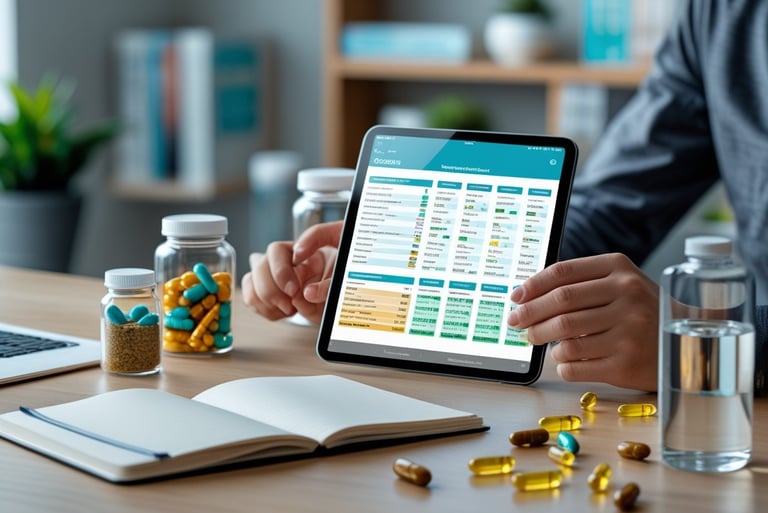
Check the supplement facts label carefully before taking any product. Compare the amounts to established upper limits and note all ingredients that might interact with medications you take.
Talk to your health care provider before starting supplements, especially if you take prescription medications or have health conditions. Bring your supplement bottles to appointments so your provider can review exact formulations and doses.
Resources like ConsumerLab and the National Center for Complementary and Integrative Health provide independent testing results and evidence-based information about supplement safety and interactions.
Space out supplements that compete for absorption. Take iron supplements separately from calcium, and avoid taking copper supplements during the same meal as high-dose zinc.
Read labels for hidden nutrients that might cause you to exceed safe limits when taking multiple products. Many supplements contain overlapping ingredients that add up quickly.
Report all supplements you use during medical appointments and before surgery. Some supplements affect bleeding, blood sugar, blood pressure, and anesthesia effectiveness.



The Healthyish Protocol
Stay connected and follow us on social media for the latest updates!
Express your ideas or propose a topic.
© 2024. All rights reserved.