Why Breathing Affects Everything:
The Science and Practical Impact on Health and Performance
MIND AND BODY
1/22/20264 min read
Why Breathing Affects Everything: The Science and Practical Impact on Health and Performance
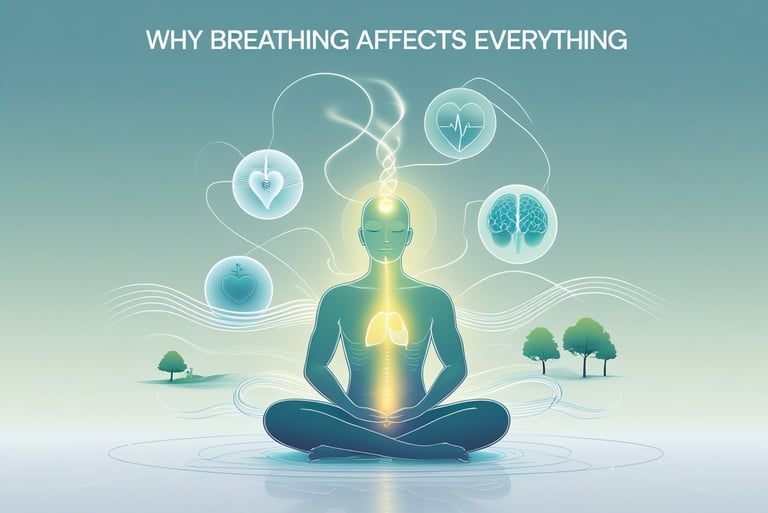
You notice breathing only when it feels off — but it quietly shapes nearly every part of your life: energy, stress, posture, and even how your face develops over years. Breathing controls oxygen and carbon dioxide, drives nervous system tone, and sets mechanical movement in your body, so small changes in how you breathe change how you feel and perform.
You can use simple, intentional breaths to lower stress, improve focus, and support physical recovery, or you can let shallow or mouth breathing subtly undermine sleep, endurance, and cognitive clarity. This article shows the physiology behind those effects and gives practical ways to make breath work for you.
Key Takeaways
Breathing directly regulates blood gases that affect energy and alertness.
Breath patterns influence the nervous system and stress response.
Simple breathing habits can improve physical function and mental clarity.
The Essential Physiology of Breathing
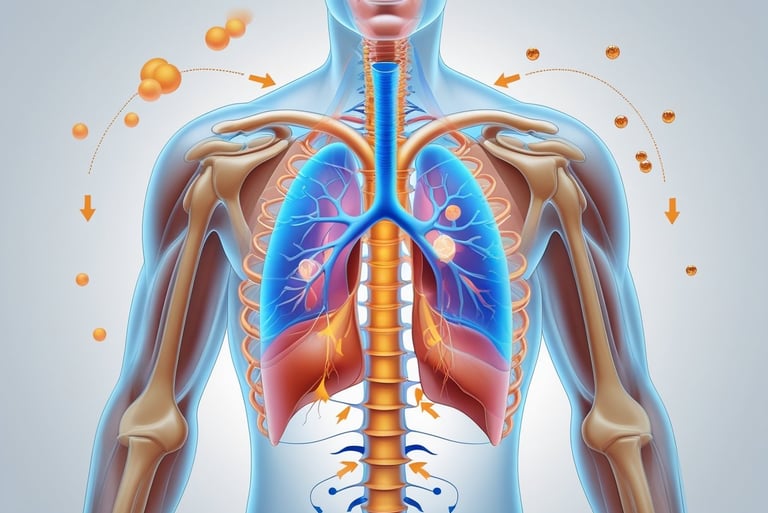
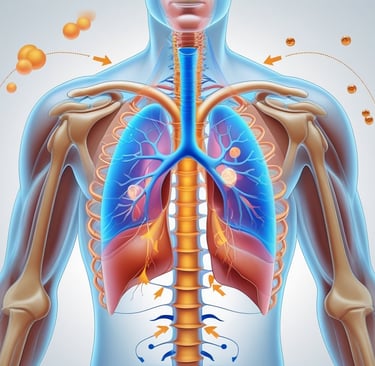
Breathing moves air into lungs, supports gas exchange in millions of alveoli, and drives oxygen delivery and carbon dioxide removal through the blood. You will see how chest mechanics, the diaphragm and accessory muscles, and circulation work together to keep tissues supplied and carbon dioxide cleared.
Mechanics of Breathing and Gas Exchange
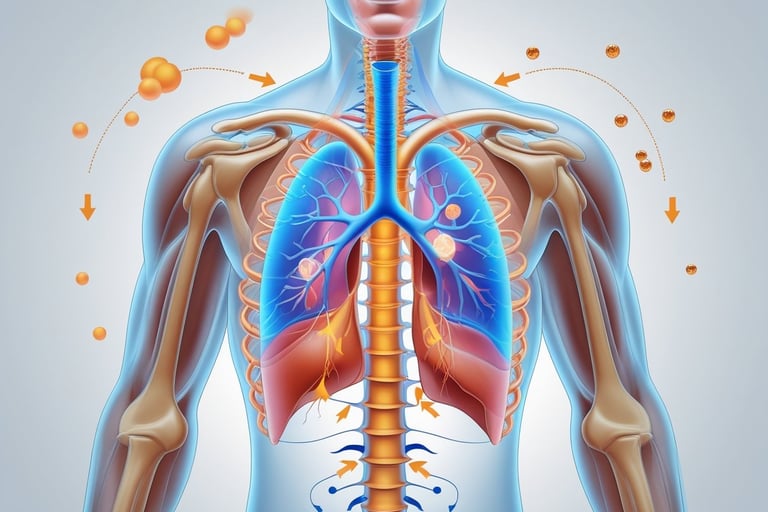
Inhalation begins when the chest cavity expands, lowering intrathoracic pressure so air flows into your lungs. Air reaches terminal bronchioles and fills alveoli—thin-walled sacs where gas exchange occurs across the alveolar-capillary membrane.
Oxygen diffuses from alveolar air into capillary blood because partial pressure of oxygen (PaO2) is higher in the alveolus than in venous blood. Carbon dioxide follows the opposite gradient, moving from blood into alveoli to be exhaled.
Ventilation-perfusion matching matters: areas with good airflow and blood flow maximize oxygenation. Mismatches—poor ventilation or poor perfusion—reduce oxygenated blood and raise respiratory rate to compensate.
Key measurable variables: tidal volume, lung capacity, and respiratory rate. These determine minute ventilation and thus influence how much fresh air reaches alveoli for effective gas exchange.
Role of the Diaphragm and Respiratory Muscles
Your diaphragm is the primary muscle of inspiration. When it contracts, it flattens and increases vertical thoracic volume, creating negative pressure that pulls air in.
Intercostal muscles raise and widen the rib cage to increase lateral and anterior-posterior dimensions. During exertion, accessory muscles (sternocleidomastoids, scalenes, abdominal muscles) boost ventilation and support higher tidal volumes.
Diaphragm dysfunction or weakness lowers lung capacity and forces reliance on accessory muscles, which increases work of breathing and can reduce effective alveolar ventilation.
Neuromuscular control coordinates respiratory rate and depth through brainstem centers that respond to chemical signals like CO2 and pH, ensuring your muscles adjust to metabolic needs.
Impact on Oxygen, Carbon Dioxide, and Blood Circulation
Oxygen binds to hemoglobin in red blood cells; each hemoglobin molecule carries up to four O2 molecules, creating oxygenated blood that perfuses tissues. Your cardiac output and vascular distribution determine how quickly oxygen reaches cells.
Carbon dioxide dissolves in plasma, binds to hemoglobin, and converts to bicarbonate for transport to the lungs. Elevated CO2 increases respiratory drive via central chemoreceptors and raises your respiratory rate to restore acid–base balance.
Efficient gas exchange depends on alveolar ventilation, capillary blood flow, and hemoglobin concentration. Any reduction in lung capacity, impaired diffusion at the alveoli-capillary interface, or anemia lowers oxygen delivery and forces compensatory increases in heart rate or breathing.
Practical indicators you can monitor: pulse oximetry (oxygen saturation), respiratory rate, and signs of increased work of breathing—these reflect how well gas exchange and circulation meet metabolic demand.
How Breathing Influences Body and Mind
Breathing directly shifts your nervous system state, emotional tone, and physical processes. Small changes in rhythm, depth, or nostril use affect heart rate variability, inflammation markers, and cognitive alertness.
Breathing and the Autonomic Nervous System
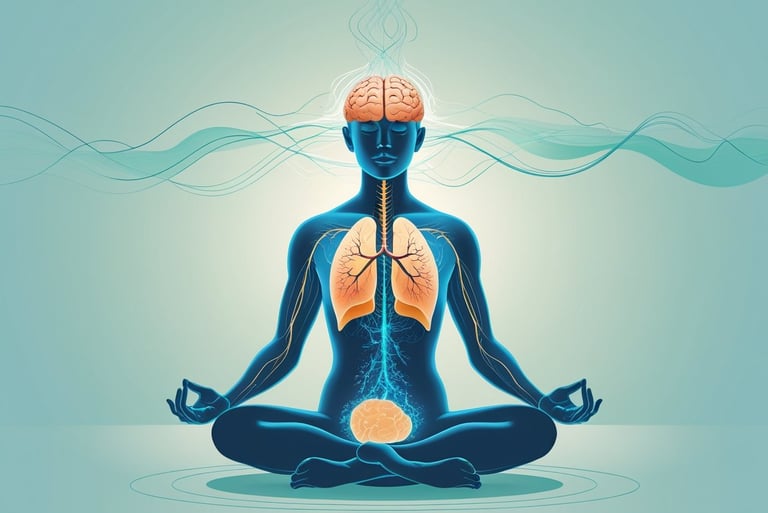
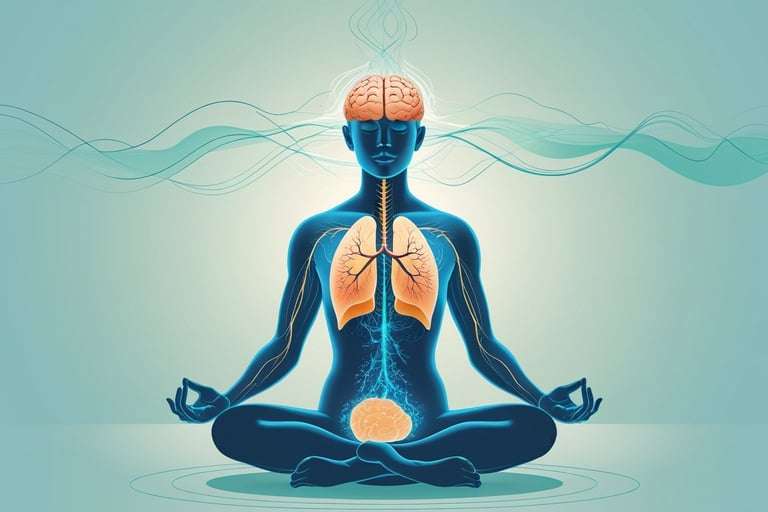
Your breath provides a fast path into the autonomic nervous system (ANS), which balances sympathetic and parasympathetic activity. Slow, diaphragmatic breathing increases parasympathetic (vagal) output via the vagus nerve and lowers sympathetic drive, reducing heart rate and blood pressure.
You can see this in heart rate variability (HRV): paced breathing around 6 breaths per minute typically boosts HRV, indicating better autonomic flexibility.
Rapid, shallow, or mouth breathing favors sympathetic activation and can worsen hyperventilation syndrome or anxiety by changing CO2 levels.
Practical focus: practice slow-paced, diaphragmatic breaths to engage the vagus nerve and shift your ANS toward calm when you feel stressed.
Breathwork for Emotional and Mental Health
Breathing exercises directly affect emotional regulation and some psychiatric symptoms. Clinical studies link slow, rhythmic breathwork and mindfully guided breath awareness to reduced anxiety, depressive symptoms, and PTSD severity.
Techniques such as box breathing, alternate nostril breathing, and guided diaphragmatic breathing improve your ability to down-regulate intense emotions and maintain cognitive performance under stress.
Mindfulness meditation that centers on breath further strengthens attention networks and reduces rumination.
Use breathwork as a low-risk adjunct to therapy: short daily sessions (5–20 minutes) of slow-paced breathing improve mood, sleep quality, and concentration over weeks.
Breathing Techniques for Well-Being and Stress Management
Choose techniques by intent: for immediate calming, try slow-paced diaphragmatic breathing (inhale 4s, exhale 6–8s) or box breathing (4-4-4-4).
For alertness and focus, shorter inhalations with relaxed exhalations or alternate nostril breathing (pranayama) can increase cerebral oxygenation and attention without inducing hyperventilation.
Avoid excessive forced breathing that lowers CO2 too much; that can trigger dizziness, panic, or hyperventilation syndrome.
Practice consistency: 3–4 daily sessions of 5–15 minutes improve HRV, sleep, and resilience.
Combine breathwork with posture, nasal breathing, and respiratory muscle engagement to maximize benefits and reduce mouth-breathing-related airway issues.
Connections to Physical Health and Inflammation
Breathing patterns shape cardiopulmonary mechanics and systemic physiology. Diaphragmatic, slow breathing improves oxygen delivery efficiency, reduces work of breathing in COPD and asthma when applied correctly, and lowers blood pressure in some people.
Emerging studies show regular slow-breath practices correlate with reduced inflammatory markers and improved immune regulation, possibly via vagal anti-inflammatory pathways.
Poor breathing—chronic mouth breathing, shallow chest breathing, or hyperventilation—can worsen sleep quality, increase cardiovascular strain, and contribute to inflammation.
Integrate breathing training with exercise, diet (omega-3s like EPA/DHA support inflammation control), and sleep hygiene to support cardiovascular health and reduce disease risk.



The Healthyish Protocol
Stay connected and follow us on social media for the latest updates!
Express your ideas or propose a topic.
© 2024. All rights reserved.