Why Fat Matters
Science, Health Impacts, and Practical Guidance
NUTRITION
2/6/20265 min read
Why Fat Matters: Science, Health Impacts, and Practical Guidance
You need fat to fuel your body, absorb key vitamins, build hormones, and keep cells working — not as an indulgence but as essential biology. Choosing the right kinds of fat matters more than cutting fat out entirely because healthy fats support heart health, brain function, and lasting fullness.
When you learn which fats help and which harm, you gain control over energy, mood, and long-term health. This article breaks down how fat works in your body, how to spot beneficial sources, and simple swaps that improve your meals without sacrificing flavor.
Key Takeaways
Fat plays essential roles in energy, hormones, and nutrient absorption.
Replacing harmful fats with healthier fats improves cardiovascular and metabolic health.
Practical food swaps and choices make it easy to include beneficial fats in your diet.
Why Fat Matters in the Body
Fat performs several concrete roles you rely on daily: it stores energy, cushions organs, helps absorb fat‑soluble vitamins, and acts as an endocrine organ influencing hunger and metabolism. How fat is stored and the types of fat you carry determine health risks and metabolic responses.
The Essential Functions of Fat
Fat provides concentrated energy: each gram of triglyceride stores about 9 kcal, which your body taps during fasting or exercise. Adipose tissue releases fatty acids and glycerol when energy is needed and rebuilds triglycerides when you eat more calories than you burn.
Fat also enables absorption of vitamins A, D, E, and K by forming micelles in the gut and transporting these vitamins into your bloodstream. Cell membranes rely on lipids for structure and signaling, so dietary fats support cell repair and communication.
Finally, fat secretes signaling molecules (adipokines) that affect appetite, inflammation, and insulin sensitivity. You need a baseline of essential fat for normal reproductive and neurological function.
Types of Body Fat
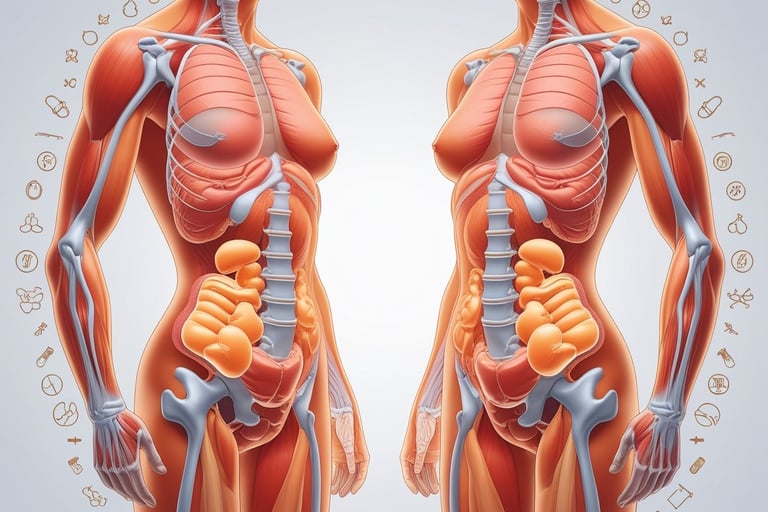
Your body contains several distinct fat types with different functions and risks. Subcutaneous fat sits under the skin and provides insulation and mechanical cushioning; it’s generally less metabolically harmful. Visceral fat surrounds internal organs in the abdominal cavity and releases more inflammatory signals and free fatty acids into the portal circulation, which can impair liver function and increase cardiometabolic risk.
Essential fat includes small amounts in bone marrow, the central nervous system, and cell membranes; you cannot safely deplete it. Brown and beige adipose tissues actively burn energy through thermogenesis, whereas white adipose tissue mainly stores triglycerides. Each fat cell type differs in size, mitochondrial content, and hormone secretion.
Fat Storage and Distribution
Your fat cells (adipocytes) expand by storing triglycerides when caloric intake exceeds expenditure. Initially, adipocytes increase lipid droplet size; with sustained surplus, the body can generate new adipocytes (hyperplasia). Triglycerides in fat cells hydrolyze to free fatty acids under hormonal signals like low insulin and elevated catecholamines.
Distribution depends on genetics, sex hormones, age, and lifestyle. Men more often store visceral fat; premenopausal women tend to store more subcutaneous fat on hips and thighs. Excess visceral fat elevates circulating free fatty acids and inflammatory markers, raising insulin resistance and type 2 diabetes risk. Measurement methods include waist circumference, imaging, and body‑fat percentage estimates.
Fat and Hormonal Balance
Adipose tissue acts as an endocrine organ by secreting hormones and cytokines that influence systemic metabolism. Leptin, produced by fat cells, signals long‑term energy stores to the brain and suppresses appetite when levels rise. Adiponectin improves insulin sensitivity; paradoxically, its levels often fall as excess visceral fat increases.
Insulin directly controls fat storage by promoting triglyceride synthesis and inhibiting lipolysis. Chronic high insulin—driven by frequent high‑carbohydrate intake or insulin resistance—favors fat accumulation. Excess visceral fat raises proinflammatory cytokines (like IL‑6 and TNF‑alpha) that interfere with insulin signaling, creating a feedback loop that worsens metabolic control.
You can influence these hormonal effects through diet, physical activity, and sleep, which help regulate insulin sensitivity, leptin responsiveness, and the inflammatory profile of your adipose tissue.
Fat in Nutrition and Health
Fat provides concentrated energy, supports hormone production, aids absorption of vitamins A, D, E, and K, and helps build cell membranes. Choosing the right types of fat affects heart health, inflammation, and how satisfying your meals feel.
Different Types of Dietary Fat
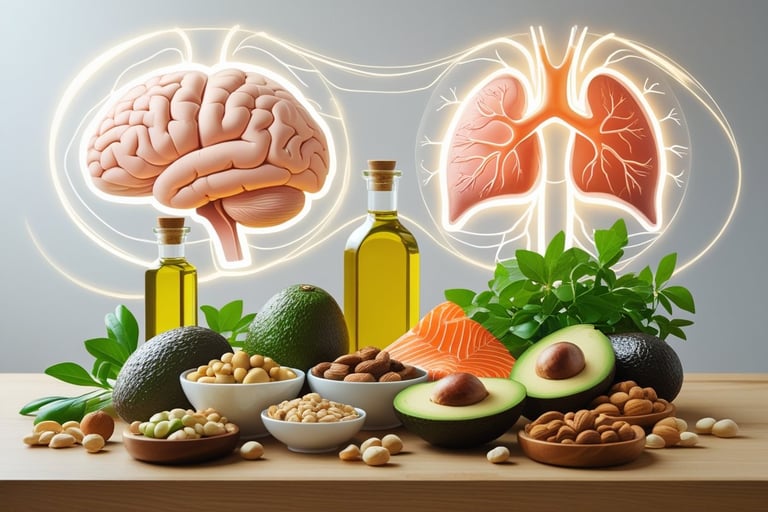
Dietary fat divides into three main categories: unsaturated, saturated, and trans fats. Unsaturated fats include monounsaturated fats (olive oil, extra virgin olive oil, avocados, peanut butter) and polyunsaturated fats (omega-3 and omega-6 found in oily fish, flaxseed, chia seeds, and walnuts).
Saturated fat appears in animal products and some tropical oils; the World Health Organization and many heart groups advise keeping saturated fat below about 10% of daily calories.
Trans fats — especially industrial trans fats from partially hydrogenated oils — raise LDL cholesterol and increase heart disease risk. Read labels for “partially hydrogenated” ingredients and avoid products that list them.
The Role of Healthy Fats
Healthy fats supply essential fatty acids and support brain and eye function. Omega-3 fats (EPA/DHA from oily fish; ALA from flax seeds and chia seeds) reduce inflammatory markers and help maintain normal triglyceride levels.
Monounsaturated fats (extra virgin olive oil, avocados, walnuts) improve lipid profiles by lowering LDL while preserving HDL. Including these fats in place of refined carbs or high fructose corn syrup–laden foods often improves blood sugar control and satiety.
Aim to get a variety of sources — fish twice weekly, plant oils, nuts, and seeds — rather than relying on a single food.
Fat and Disease Risk
Type of fat matters more than total fat for disease outcomes. Diets high in trans fats and excess saturated fat correlate with higher heart disease risk, while diets rich in unsaturated fats, particularly omega-3s, associate with lower risk.
Replacing saturated fat with polyunsaturated fats lowers coronary events; replacing saturated fat with refined carbohydrates or high fructose corn syrup does not improve heart outcomes.
Inflammation links to dietary patterns: diets emphasizing whole foods, oily fish, nuts, and plant oils tend to show lower inflammatory markers than diets high in processed foods and partially hydrogenated oils.
Balanced Nutrition and Fat
Balance fats with adequate protein and carbohydrates to meet energy needs and nutrient goals. Use fats to improve nutrient absorption: add a drizzle of olive oil to salad to help absorb fat‑soluble vitamins from vegetables.
Portion control matters because fat is calorie‑dense; a tablespoon of oil or nut butter delivers concentrated calories.
Practical choices: swap butter for extra virgin olive oil, choose oily fish or flaxseed for omega‑3s, and use whole nuts or avocado instead of processed snacks. This approach supports heart health, reduces reliance on added sugars, and helps you maintain a balanced diet.




The Healthyish Protocol
Stay connected and follow us on social media for the latest updates!
Express your ideas or propose a topic.
© 2024. All rights reserved.