Why Protein Matters:
Essential Roles, Benefits, and Practical Intake Guidance
NUTRITION
1/21/20264 min read
Why Protein Matters: Essential Roles, Benefits, and Practical Intake Guidance
You rely on protein every hour of the day: it repairs tissues, keeps your immune system sharp, helps hormones work, and supports steady energy levels. Getting the right amount and types of protein changes how your body recovers, moves, and defends itself.
Small shifts at meals and snacks make meeting your protein needs realistic, whether you aim to lose weight, build strength, or simply feel more energetic. Expect practical tips and clear facts so you can use protein to support your health without guesswork.
Key Takeaways
Protein directly supports body repair, immunity, and hormone balance.
Appropriate protein intake influences energy, recovery, and body composition.
Simple meal and snack choices make meeting protein needs achievable.
Why Protein Matters For Your Health
Protein supports structural tissues, immune function, hormones, and energy balance. It also affects appetite, metabolism, and recovery after exercise.
Role of Protein in the Body
Protein is one of three macronutrients you must get from food. Your body uses protein to build and maintain tissues such as muscle, bone matrix (including collagen), skin, and connective tissue.
Proteins form enzymes and many hormones that control metabolism and digestion. They also power immune proteins (antibodies) that help fight infections, so dietary protein affects immune support directly.
Dietary protein breaks down into amino acids that your body repurposes for repair and cell turnover. Meeting protein requirements matters more as you age, because inadequate intake contributes to sarcopenia and slower tissue healing.
Protein and Muscle Growth
When you lift weights or do resistance training, you create microdamage in muscle fibers. Consuming sufficient dietary protein supplies essential amino acids to repair that damage and increase muscle cross-sectional area.
Leucine plays a key role: it acts as a trigger for muscle protein synthesis. Aim for high-quality protein sources (whey, casein, eggs, lean meats, soy) distributed across meals to maximize the anabolic response.
Protein needs rise with training volume and intensity. For most active adults, 1.2–2.0 g/kg body weight daily supports muscle building; older adults often need the higher end to counter muscle loss.
Amino Acids and Protein Synthesis
Amino acids are the building blocks of protein; nine are essential because your body cannot make them. Essential amino acids, especially branched-chain amino acids like leucine, are necessary to stimulate protein synthesis.
Protein synthesis depends on both amino acid availability and a signal from anabolic stimuli (food, resistance exercise). Without enough dietary protein or the right amino acid mix, synthesis plateaus and muscle repair slows.
Different protein sources vary in digestibility and amino acid profile. Whey digests quickly and spikes amino acids; casein digests slowly and sustains levels. Pairing sources can optimize both immediate and prolonged supply for tissue repair.
Protein and Weight Management
Protein has a higher thermic effect of food than carbs or fat, meaning you burn more calories digesting it. High-protein diets often increase satiety by affecting hormones such as GLP-1, cholecystokinin, and by lowering ghrelin, which can reduce overall calorie intake.
You feel fuller longer after protein-rich meals, which helps control snacking and supports weight loss or maintenance. Maintaining muscle with adequate protein also preserves resting metabolic rate during calorie deficits.
Practical choices include lean meats, dairy, legumes, and fortified plant proteins. Spread protein across meals and include snacks with 15–30 g of protein when you exercise or want to manage hunger effectively.
How To Meet Your Protein Needs
You need clear targets, reliable food choices, and simple strategies to reach your daily protein goals. Focus on portion sizes, variety across meals, and timing around activity to protect muscle, immunity, and recovery.
How Much Protein Do You Need?
Your basic reference is 0.8 grams per kilogram of body weight per day for average adults. If you weigh 70 kg (154 lb), that equals about 56 g daily.
Adjust upward for activity, age, or goals: aim for 1.2–2.0 g/kg if you exercise regularly, try to preserve muscle with aging, or pursue strength gains. Older adults often benefit from at least 1.0–1.2 g/kg to reduce protein deficiency and muscle loss.
Distribute protein across meals to boost muscle protein synthesis. Target roughly 20–40 g per meal depending on body size and activity. Use a simple calculation: multiply your weight in kg by your chosen grams/kg target to get your daily protein requirement.
Best Dietary Sources of Protein
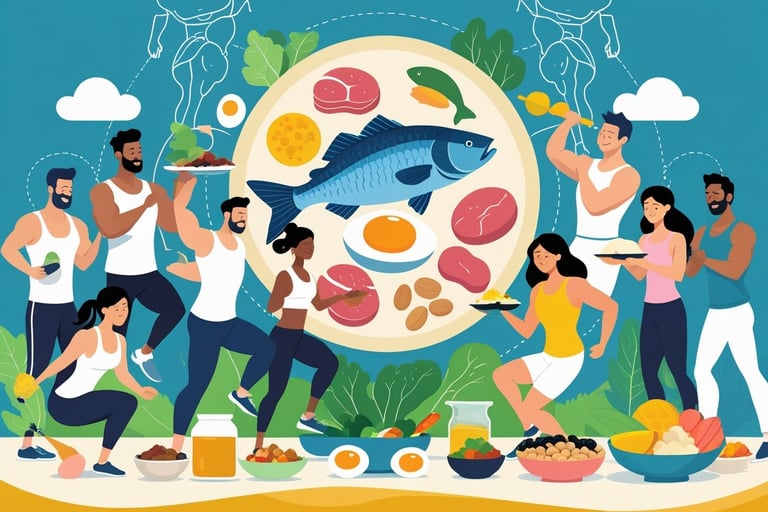
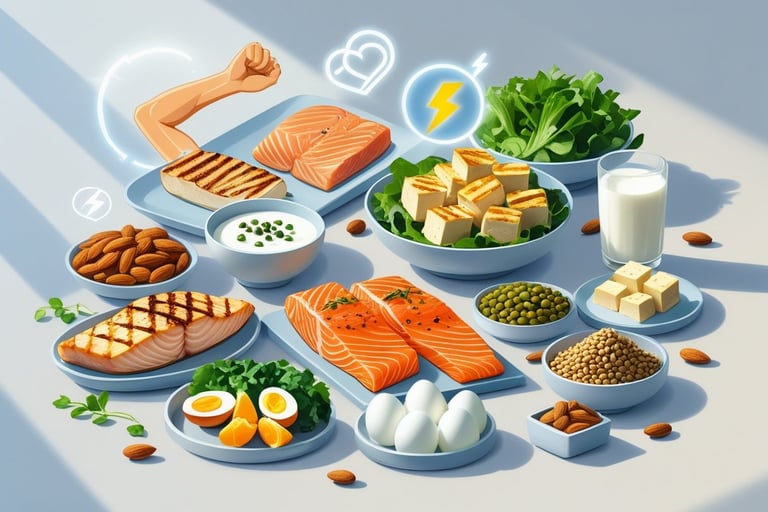
Prioritize whole, minimally processed protein-rich foods. Include lean meats like chicken, turkey, and trimmed beef; seafood such as shrimp, salmon, and tuna; eggs and dairy; and plant foods like edamame, black beans, lentils, tofu, tempeh, nuts, and seeds.
A sample list with typical protein amounts per cooked portion:
Chicken breast (100 g): ~31 g
Cooked lentils (1 cup): ~18 g
Greek yogurt (1 cup): ~20 g
Cooked black beans (1 cup): ~15 g
Firm tofu (100 g): ~8–12 g
Use protein powders (whey, casein, or plant-based blends) when you can’t meet needs through food—useful for older adults, athletes, or busy schedules. But aim to get most protein from whole foods to capture other nutrients and avoid excessive processed ingredients.
Animal Protein vs. Plant-Based Protein
Animal-based protein generally supplies complete proteins with all essential amino acids and tends to be higher in leucine, which stimulates muscle synthesis. Examples: beef, poultry, turkey, seafood, dairy, and eggs. These foods also deliver vitamin B12, heme iron, and bioavailable zinc.
Plant protein often lacks one or more essential amino acids in single foods but provides fiber, phytonutrients, and lower saturated fat. Combine complementary plant foods—grains with legumes (rice + black beans), or mix edamame, tofu, and nuts—to achieve complete protein profiles.
If you follow a vegetarian or vegan pattern, plan for slightly higher total protein intake to offset lower digestibility of some plant proteins. Use a mix of soy (edamame, tofu), legumes, whole grains, and protein-rich seeds; consider fortified foods or a plant-protein powder to meet protein requirements reliably.



The Healthyish Protocol
Stay connected and follow us on social media for the latest updates!
Express your ideas or propose a topic.
© 2024. All rights reserved.