Diet Culture Explained
A Clear, Evidence-Based Guide to Its Origins and Impact
NUTRITION
2/3/20264 min read
Diet Culture Explained: A Clear, Evidence-Based Guide to Its Origins and Impact
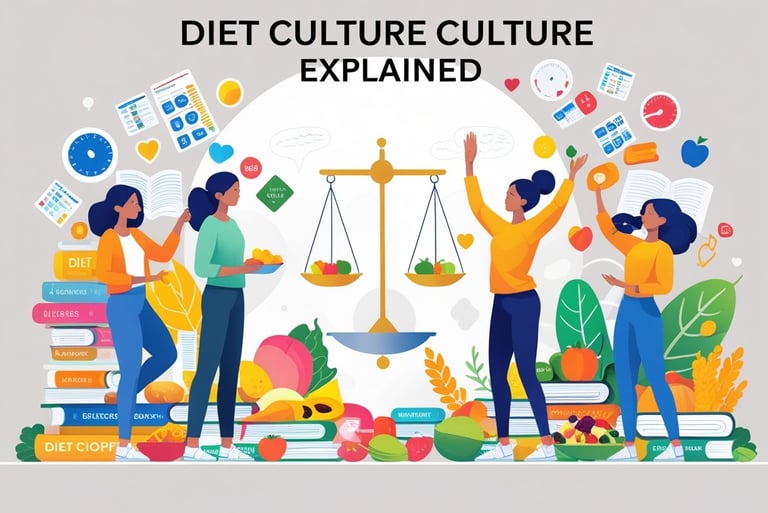
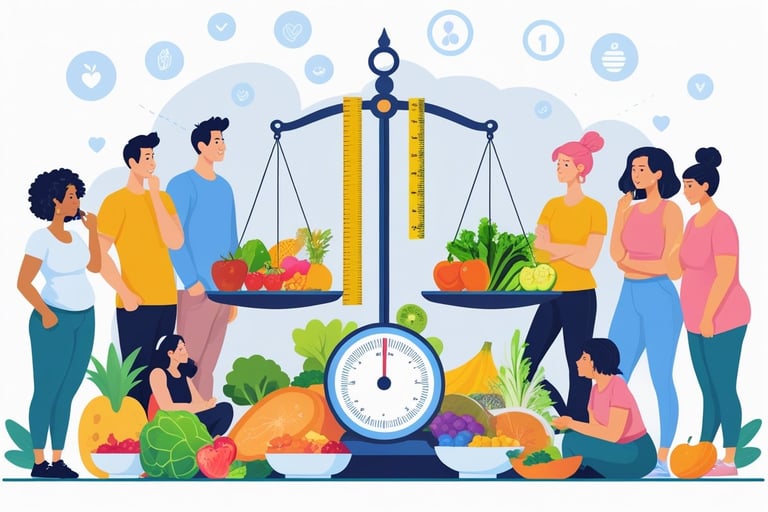
You live inside a world that treats thinness as proof of worth and food choices as moral signals, and that quietly shapes how you think about your body and health. Diet culture is a set of widespread beliefs that prioritize appearance over well-being, label foods as “good” or “bad,” and normalize controlling your body through restriction.
Knowing what diet culture looks like helps you spot its messages in media, conversations, and healthcare so you can make clearer choices about food and self-care. This article breaks down the core ideas, shows how they affect physical and mental health, and gives practical ways to push back without shaming yourself.
Key Takeaways
Diet culture centers appearance and moralizes food.
Its messages influence health behaviors and self-image.
You can recognize and resist these pressures for healthier choices.
Defining Diet Culture and Its Core Beliefs
Diet culture favors thinness, judges bodies, and treats weight control as a moral duty. It shapes what you eat, how you move, and how you judge yourself and others.
The Meaning and Origins of Diet Culture
Diet culture describes a set of social beliefs that equate slimness with health, worth, and self-discipline. It emerged from medical, economic, and social trends over the 19th and 20th centuries as medical authority, the diet industry, and changing beauty standards promoted weight loss as a health imperative.
You’ll see the “thin ideal” reinforced by fashion, media, and marketing that push unrealistic beauty standards and normalize calorie counting and restrictive diets. Historically, these messages tied morality to body size, creating stigma around fatness and elevating certain body shapes as desirable.
Key Characteristics and Tenets
Diet culture rests on repeatable patterns you’ll recognize: labeling foods “good” or “bad,” prioritizing weight loss over well-being, and celebrating fad diets, extreme calorie restriction, or excessive exercise.
Core features include:
Thin ideal as default standard
Weight-normative assumptions (health judged by size)
Emphasis on dieting, calorie counting, and processed or ultra-processed “convenience” foods marketed as low-calorie solutions
Moral language around eating and body size
These tenets foster restrictive eating, body dissatisfaction, and internalized diet culture, which can increase disordered eating and anxiety about food choices.
Diet Culture Versus Wellness Culture
Wellness culture often borrows diet culture language while claiming a health-first goal, so you’ll need to spot differences carefully. Wellness focuses on self-care, holistic practices, and sustainable habits, but it can slip into weight-normative thinking when it centers weight loss, “clean” eating, or expensive products as markers of virtue.
Contrast points for you to use:
Weight-inclusive approaches emphasize health at every size and body diversity.
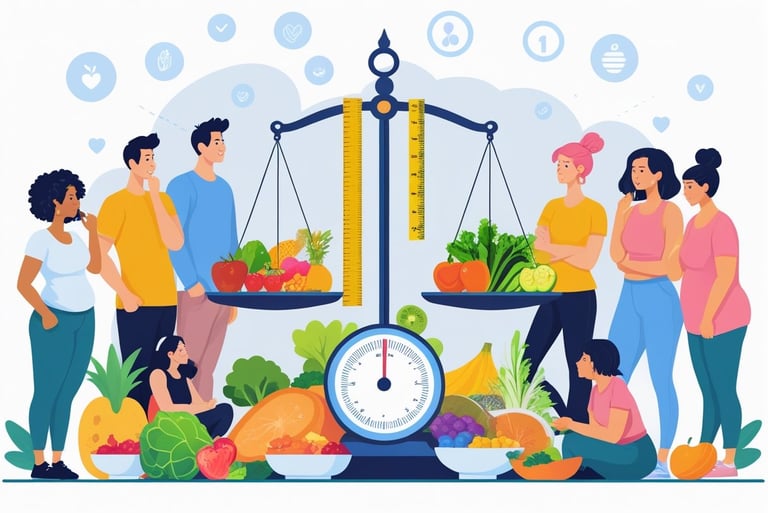
Weight-normative approaches equate smaller bodies with better health and promote restrictive diets and quick fixes.
The diet industry profits from both diet and wellness messaging, selling fad diets, supplements, and branded “clean” or low-calorie processed foods. Recognize when wellness language masks the same pressure to change your body; that’s often diet culture in new packaging.
The Impact of Diet Culture on Health and Society
Diet culture reshapes how you view food, bodies, and health by promoting thinness as a moral and social ideal. It influences mental health, clinical diagnoses, economic opportunities, and which interventions you receive from health professionals.
Effects on Body Image and Mental Health
Diet culture fosters body shame by equating thinness with worth, making you judge yourself and others by size. Constant exposure to diet messaging increases negative self-talk, heightens body surveillance, and reduces participation in everyday activities because you worry about appearance.
This pressure contributes to anxiety, depression, and lowered self-esteem. You may swing between body positivity and self-criticism, which undermines stable body neutrality or acceptance. People from marginalized groups face compounded weight bias and stigma, intensifying mental health harms.
Media-driven ideals and "clean eating" trends also normalize obsessive behaviors, shifting focus from balanced diet advice from a registered dietitian to moralizing food choices.
The Link Between Diet Culture and Disordered Eating
Diet culture normalizes food restriction and weight obsession, which raises your risk for disordered eating patterns. Practices like yo-yo dieting and chronic restriction commonly precede binge eating cycles, purging behaviors, or compensatory exercise.
Clinical eating disorders — anorexia nervosa, bulimia nervosa, and binge-eating disorder — often develop in environments that stigmatize larger bodies and valorize extreme thinness. Orthorexia and extreme "clean eating" ideals can also create rigid, harmful rules that mimic clinical pathology.
Weight cycling undermines metabolic health and reinforces the false idea that loss-focused dieting equals long-term health. The National Eating Disorders Association links sociocultural pressures with higher incidence of disordered eating, showing how pervasive messaging translates into diagnosable conditions.
Social and Economic Consequences
Weight stigma affects your access to employment, healthcare, and social services. People in larger bodies frequently report bias during hiring, promotions, and medical appointments, which produces measurable economic disparities.
In healthcare, weight bias can lead clinicians to attribute symptoms solely to weight, delaying proper diagnosis and treatment. That results in poorer outcomes for conditions unrelated to body size. Insurance coverage and workplace wellness programs often prioritize weight loss, marginalizing HAES (Health at Every Size) approaches that focus on behavior and equitable care.
Socially, diet culture erodes body diversity and discourages inclusive practices. Movements like fat acceptance and body positivity challenge these systems, but systemic bias persists in policy, media representation, and institutional practices.
Challenging and Rejecting Diet Culture
You can counter diet culture by adopting evidence-based practices and shifting language from weight to function and well-being. Seek guidance from qualified professionals such as registered dietitians who emphasize balanced diet principles over punitive restriction.
Embrace frameworks like Health at Every Size and body neutrality to prioritize sustainable behaviors, not weight. Support community resources—peer groups, the National Eating Disorders Association, and body-diversity advocates—that provide nonjudgmental recovery paths from eating disorders and disordered eating.
Practical steps include rejecting moral labels on food, avoiding self-weighing as the sole health metric, and advocating for anti-weight-bias training in workplaces and healthcare settings. These changes reduce weight bias, promote mental health, and protect you from cycles of dieting and weight cycling.




The Healthyish Protocol
Stay connected and follow us on social media for the latest updates!
Express your ideas or propose a topic.
© 2024. All rights reserved.