Omega-3 Basics
Essential Facts, Benefits, and How to Use Them
NUTRITION
2/17/20264 min read
Omega-3 Basics: Essential Facts, Benefits, and How to Use Them
You likely hear about omega-3s a lot, but you need a clear answer: omega-3 fatty acids are essential fats your body can’t make enough of, and they support your heart, brain, and cell health. Adding the right omega-3s to your diet can lower inflammation and help protect long-term health.
You will learn the basic types of omega-3s, where to find them in food, and simple steps to get enough without guesswork. This post will give practical facts you can use today to improve your eating choices and overall health.
Key Takeaways
Omega-3s are essential fats your body needs but can’t produce on its own.
You can get omega-3s from both foods and supplements.
Small, consistent changes to your diet can meaningfully raise your omega-3 intake.
Omega-3 Fundamentals
You will learn what omega-3 fatty acids are, how the main types differ, and why they matter for your heart, brain, and cells.
What Are Omega-3 Fatty Acids?
Omega-3 fatty acids are essential polyunsaturated fats your body needs but cannot make in sufficient amounts.
They have multiple double bonds in their chemical chain, which makes them a different class from saturated fatty acids.
Because you must get omega-3s from food or supplements, they are called "essential."
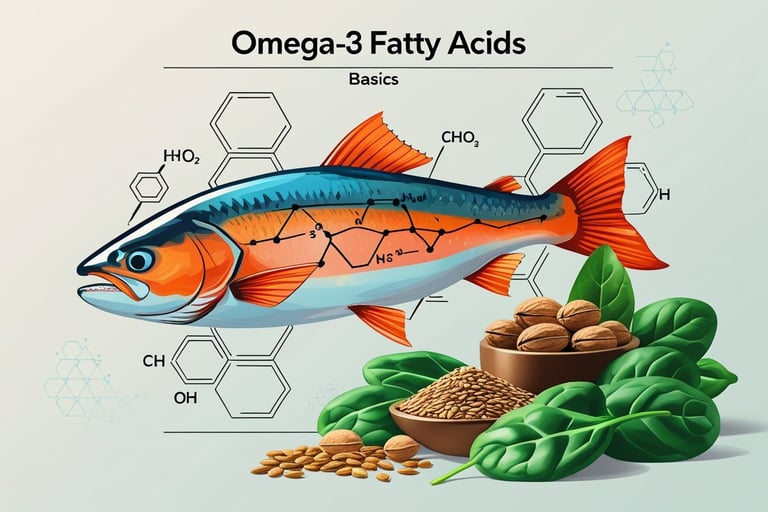
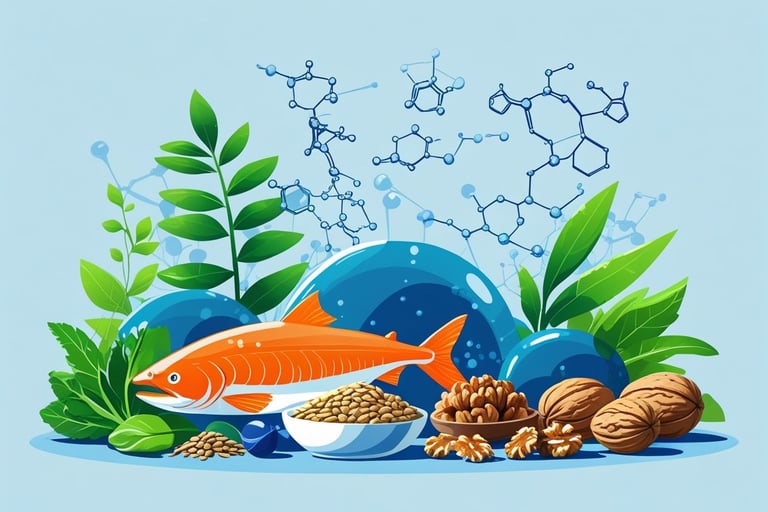
Good food sources include fatty fish, walnuts, chia seeds, and algae.
If you eat few of these foods, you may rely on fish oil or algae-derived supplements to meet needs.
Omega-3s help form cell membranes and act as building blocks for signaling molecules.
They also compete with omega-6 fats in the body; balancing the two affects inflammation and health.
Types of Omega-3: ALA, EPA, and DHA
Three main omega-3s matter to your health: alpha-linolenic acid (ALA), eicosapentaenoic acid (EPA), and docosahexaenoic acid (DHA).
ALA is a plant-based omega-3 found in flaxseed, chia, walnuts, and some vegetable oils.
Your body can convert ALA into EPA and DHA, but conversion is limited.
EPA and DHA are long-chain omega-3s mainly found in fatty fish and algae.
EPA supports processes tied to inflammation and blood vessel function.
DHA concentrates in your brain and eyes and supports structure and signaling in those tissues.
If you do not eat fish, consider algae-based DHA and EPA supplements.
Choose sources and doses based on your diet, health needs, and any guidance from a clinician.
Role of Omega-3 in the Body
Omega-3s influence cell membranes, blood lipids, and immune signaling.
DHA helps maintain the structure of neurons and retinal cells, supporting brain and eye function.
EPA helps produce signaling molecules called eicosanoids that can reduce certain inflammatory responses.
Both EPA and DHA can lower triglyceride levels when taken at therapeutic doses.
At the cellular level, omega-3s change membrane fluidity and receptor behavior.
This affects how cells respond to hormones, nutrients, and stress signals.
Balancing polyunsaturated fats with saturated fats in your diet changes overall fat composition in tissues.
Aim for regular dietary sources of omega-3s or supplements if needed to support heart and brain health.
Major Sources and Benefits of Omega-3
Omega-3s come from both animal and plant foods and from added supplements or fortified products. They help reduce triglycerides, support brain and eye development, and lower some inflammation.
Sources of Omega-3 in Foods
Eat fatty fish like salmon, mackerel, sardines, herring, trout, and tuna to get EPA and DHA. A 3-ounce serving of salmon or mackerel gives a large dose of long-chain omega-3s that your body uses directly.
Shellfish such as oysters and mussels also provide EPA and DHA, though in smaller amounts than oily fish.
For plant-based omega-3, choose flaxseed, chia seeds, and walnuts for ALA. Flaxseed oil and soybean oil contain ALA too. Your body converts ALA to EPA and DHA only partially, so you need larger amounts of ALA if you rely on plants.
Limit trans fats and balance omega-6 intake (found in many vegetable oils) to help omega-3s work better in your body.
Omega-3 Supplements and Fortified Foods
Supplements include fish oil, krill oil, cod liver oil, and algal oil (a vegan EPA/DHA option). Fish oil capsules are common and supply EPA and DHA; algal oil gives DHA and sometimes EPA without fish.
Read labels for combined EPA+DHA amounts. The American Heart Association suggests specific doses for people with heart disease, so check with your clinician for personalized guidance.
Fortified and functional foods — like some milk, eggs, and infant formula — add DHA or EPA to boost intake. Fortified foods can help if you don’t eat fish regularly.
Watch for purity testing on supplements to reduce contaminants (mercury, PCBs) and check for omega-3 dose per serving so you meet recommended amounts.
Health Benefits of Omega-3
Omega-3s lower triglycerides and may slightly reduce blood pressure, which helps heart health and lowers cardiovascular risk. Regular EPA+DHA intake supports a healthier lipid profile.
DHA is important during pregnancy for fetal brain and eye development; many guidelines recommend DHA supplements for pregnant people.
Omega-3s can reduce inflammation in conditions like rheumatoid arthritis and may ease joint pain and stiffness. They also support brain function and may slow age-related decline in some people.
Evidence links omega-3s to improved eye health and immune support, though benefits vary by dose and by EPA vs. DHA vs. ALA.

The Healthyish Protocol
Stay connected and follow us on social media for the latest updates!
Express your ideas or propose a topic.
© 2024. All rights reserved.