Sleep Debt Explained Simply
How It Builds, Tests Your Health, and Ways to Repay
FOUNDATIONS
2/20/20265 min read
Sleep Debt Explained Simply: How It Builds, Tests Your Health, and Ways to Repay
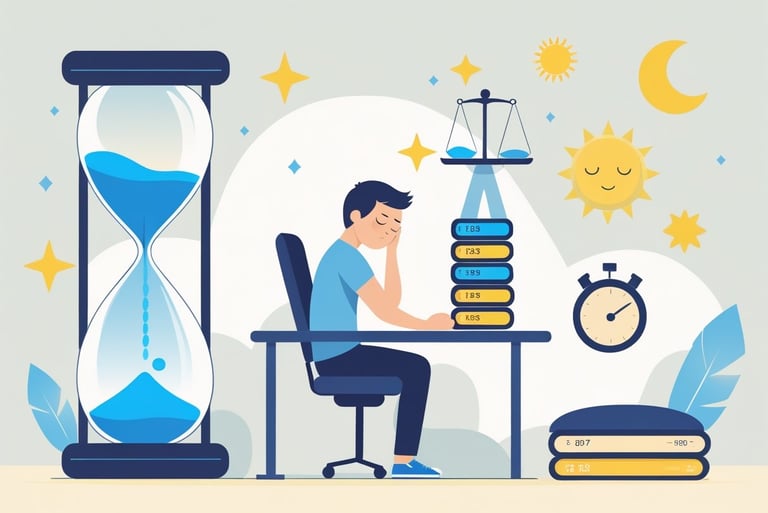
You lose more sleep than you think when nights run short, and that missing sleep adds up into a measurable sleep debt that hurts your focus, mood, and energy. Sleep debt is the total hours your body needs minus the hours you actually sleep, and paying it down means more consistent, longer sleep over several nights.
This post will show what sleep debt looks like, how it builds, and simple steps you can take to recover without complicated tools. You’ll learn how to spot when you have sleep debt and what practical habits help you catch up.
Key Takeaways
Sleep debt is the gap between needed sleep and actual sleep.
Even small nightly losses add up and affect how you feel and act.
You can reduce sleep debt with regular, longer nights and better sleep habits.
Sleep Debt Basics and Why It Matters
Sleep debt is the amount of sleep you owe your body after nights of getting less rest than you need. It affects mood, focus, health, and safety, and builds up whether you miss one night or shorten sleep for weeks.
How Sleep Debt Accumulates
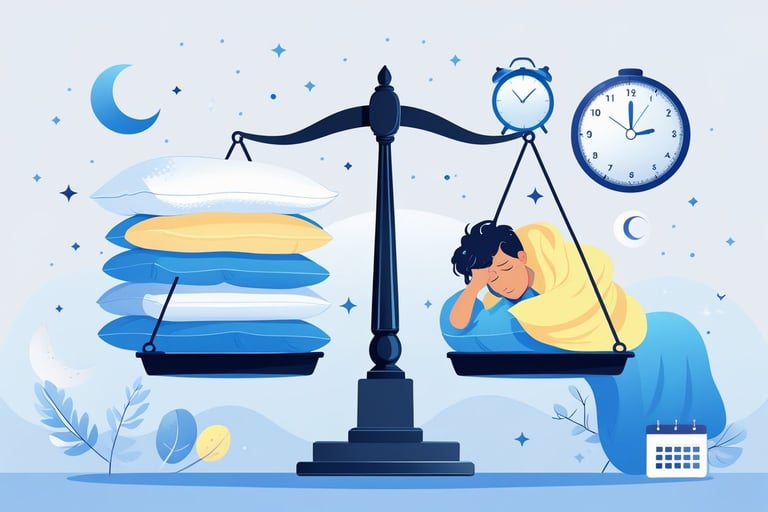
Sleep debt grows when you sleep less than your body needs across days or weeks. If your sleep need is 8 hours and you get 6, you add 2 hours of debt that night. Small nightly shortfalls add up quickly; five nights of 2-hour deficits equals 10 hours of sleep debt.
Both one-night total loss (total sleep deprivation) and repeated short nights (chronic sleep restriction) create debt. Shift work often causes ongoing debt because your schedule conflicts with your circadian rhythm. Sleep disorders like insomnia or sleep apnea also block restorative sleep and raise your debt even if you spend enough time in bed.
Sleep Need Versus Sleep Duration
Your sleep need is the amount of sleep your body requires for normal function. Most adults need about 7–9 hours, but genetics, age, health, and medications change that number. Sleep duration is what you actually get each night.
Track both numbers. If your average sleep duration falls below your estimated need, you’re building sleep debt. Using a consistent sleep schedule helps match duration to need. If you use sleep medicine, check whether it affects sleep quality; some drugs increase duration but not restorative stages of sleep.
Short-Term Versus Chronic Sleep Debt
Short-term debt follows a single night or a few nights of poor sleep. You can often recover with extra sleep over the next few days. For example, one all-nighter may require one or two nights of longer sleep plus naps to feel normal again.
Chronic sleep debt comes from months or years of regularly sleeping less than needed. It links to long-term problems like impaired memory, higher accident risk, weight gain, and worse blood sugar control. Chronic debt is harder to repay; consistent sleep schedule changes and treating underlying issues (insomnia, sleep apnea) matter more than occasional long sleeps.
Common Causes of Sleep Debt
Many factors cause sleep debt. Work schedules, especially shift work and early start times, force you to cut sleep. Lifestyle choices — late-night screen use, caffeine late in the day, and irregular bedtimes — also shorten sleep duration.
Medical causes include untreated insomnia, obstructive sleep apnea, pain, anxiety, and some medications. Social demands such as caregiving or long commutes reduce time available for sleep. Address causes directly: adjust schedules where possible, practice sleep hygiene, seek evaluation for sleep disorders, and limit substances that disrupt sleep.
Learn more about how sleep debt works and how to recover from sleep loss at Sleep Foundation’s page on sleep debt and catch-up sleep.
Health Effects and Solutions for Sleep Debt
Short nights add up and affect your body, brain, and mood. You may feel tired, think more slowly, and face higher health risks if you don't restore regular, quality sleep.
Physical and Mental Consequences
Sleep debt causes fatigue and daytime sleepiness that reduce alertness and make mistakes more likely. You may notice trouble concentrating, slower reaction times, and memory lapses because sleep helps with memory consolidation and clearing metabolic waste in the brain.
Mood changes like irritability, anxiety, or low mood appear quickly when you lose sleep. Long-term poor sleep links to higher risk of depression and worsened emotional regulation. Hormone shifts also happen: lower leptin and higher ghrelin can increase hunger, while raised cortisol boosts stress and blood sugar.
Your immune function weakens with chronic short sleep, making infections more likely. Metabolic dysregulation can lead to weight gain, insulin resistance, and greater risk of type 2 diabetes. Ongoing sleep loss raises blood pressure and contributes to cardiovascular disease, stroke, and higher overall mortality risk.
Repaying Sleep Debt and Recovery Methods
You can repay sleep debt, but it takes time. Adding 1–2 extra hours per night for several nights helps restore alertness and cognitive function more than a single long sleep. Short naps (15–30 minutes) boost focus and reduce sleepiness without harming nighttime sleep if timed early in the afternoon.
Weekend catch-up sleep gives partial recovery but won't erase all effects of chronic sleep loss. Use gradual recovery: extend nightly sleep, keep wake times regular, and add a 30–90 minute nap if needed. Track sleep with a sleep diary or app to measure progress in sleep latency and total sleep time.
Avoid long naps late in the day and large shifts in your sleep schedule, which can disrupt circadian rhythm and slow recovery. If you still feel excessive daytime fatigue after consistent recovery sleep, consult a clinician to check for sleep disorders or medical causes.
Prevention and Healthy Sleep Habits
Keep a consistent sleep schedule: wake and sleep at the same times every day, even weekends, to reduce weekend catch-up sleep. Aim for 7–9 hours per night and treat sleep as a daily health priority rather than something to fix later.
Improve sleep hygiene: make your bedroom cool, dark, and quiet; limit screens 60 minutes before bed; avoid caffeine 6 hours before sleep; and stop heavy meals or intense exercise close to bedtime. Use a wind-down routine of relaxed activities for 20–30 minutes to lower arousal and help sleep onset.
If you need to track patterns, keep a sleep diary recording bedtimes, wake times, naps, caffeine, and sleep quality. This helps identify habits that cause sleep restriction. For persistent problems, try cognitive-behavioral techniques for insomnia or see a sleep specialist.
Long-Term Risks of Unaddressed Sleep Debt
Chronic insufficient sleep increases long-term risks across multiple systems. Over years, it raises chances of obesity, metabolic syndrome, and type 2 diabetes via hormonal changes and poorer appetite control. It also contributes to higher blood pressure and elevated risk of heart disease and stroke.
Persistent sleep debt may impair brain health and memory, increasing risk factors associated with neurodegenerative conditions such as Alzheimer's disease. Studies link chronic poor sleep to greater accumulation of brain waste products and declining cognitive performance over time.
Unaddressed sleep debt associates with higher overall mortality and worsened quality of life through compounded physical illness, mood disorders, and cognitive decline. Act early: prevent ongoing short sleep and pursue recovery strategies to lower these long-term risks.

The Healthyish Protocol
Stay connected and follow us on social media for the latest updates!
Express your ideas or propose a topic.
© 2024. All rights reserved.