Acute vs Chronic Stress Explained
Clear Differences, Causes, and Practical Management Strategies
MIND AND BODY
2/7/20264 min read
Acute vs Chronic Stress Explained: Clear Differences, Causes, and Practical Management Strategies
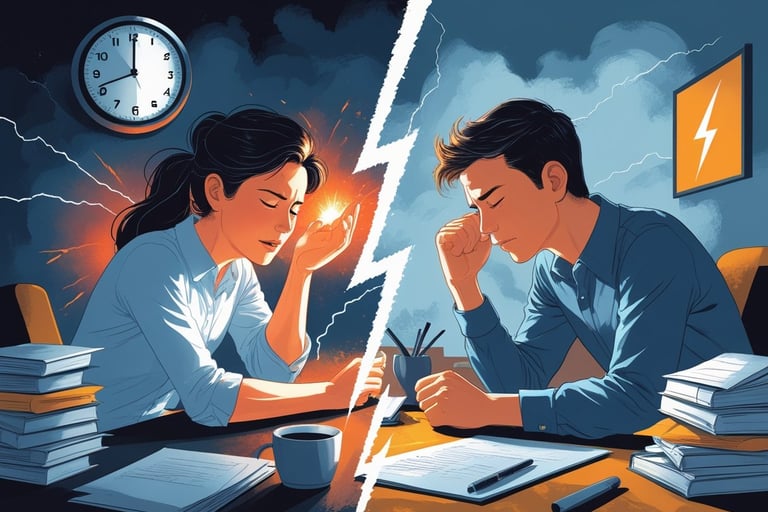
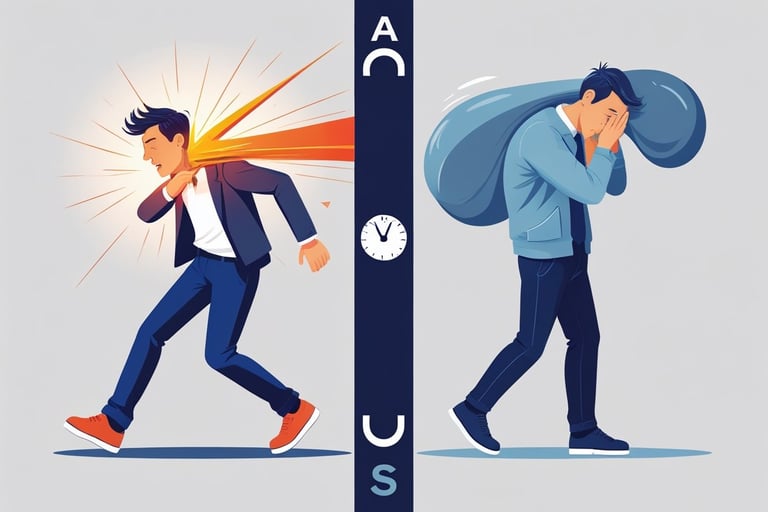
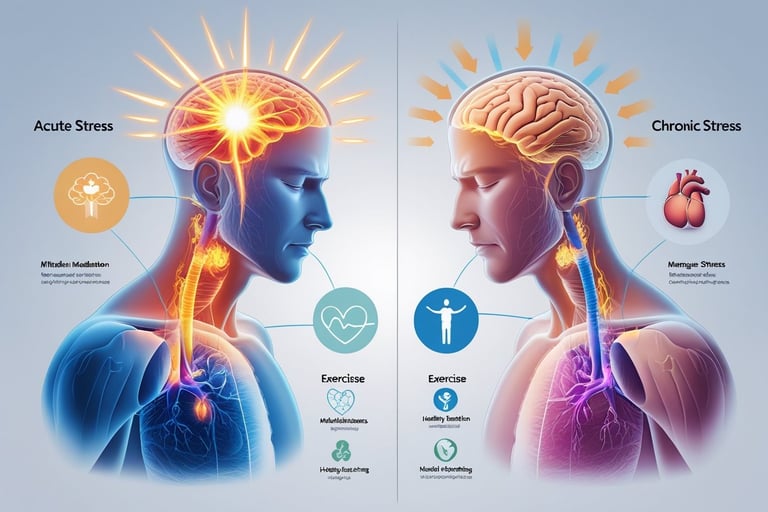
Stress shows up in two main ways: quick, intense spikes that pass after a short event, and low-level pressure that drags on for weeks, months, or longer. You feel acute stress during sudden challenges like a deadline or an argument, while chronic stress builds from ongoing problems such as a difficult job, long-term caregiving, or persistent money worries.
Acute stress helps you respond to immediate threats, but chronic stress keeps your body in a heightened state that can harm your health over time. You’ll learn how to spot the difference, why it matters for your body and mind, and practical steps to calm short-term reactions or reduce long-term strain.
Key Takeaways
Acute stress is short-lived and tied to specific events.
Chronic stress is ongoing and can damage physical and mental health.
Different signals and strategies matter for short-term relief versus long-term management.
Key Differences Between Acute and Chronic Stress
You will see that acute stress is brief and tied to specific events, while chronic stress persists and alters body systems over time. The following subsections compare how they start, how your body reacts, and the immediate versus long-term health consequences.
Duration and Triggers of Stress
Acute stress occurs in response to a specific, time-limited event—an exam, a car near-miss, or a job interview. It usually begins suddenly and resolves once the event passes or your perception of threat changes. Acute stressors are often identifiable and intermittent, so your exposure to short-term stress is episodic.
Chronic stress arises from ongoing problems such as financial hardship, a high-pressure job with no respite, or prolonged caregiving. These stressors persist for weeks, months, or years and may feel inescapable. Because chronic stressors are continuous, your mind and behavior often shift to accommodate a long-term problem rather than to solve a single event.
Physiological Stress Response Systems
Your body responds to acute stress by activating the sympathetic nervous system and the "fight-or-flight" cascade. That triggers rapid release of adrenaline (epinephrine) and norepinephrine, increasing heart rate, blood pressure, and alertness. The adrenal medulla supplies those catecholamines within seconds to minutes.
If stress continues, the hypothalamic–pituitary–adrenal (HPA) axis ramps up cortisol production. Cortisol helps sustain energy by mobilizing glucose and suppressing nonessential functions. In chronic stress, repeated HPA activation keeps cortisol and sympathetic tone elevated or dysregulated. That persistent hormonal change alters immune function, sleep, digestion, and mood, and can blunt normal stress reactivity over time.
Immediate vs Long-Term Health Effects
Acute stress produces short-term effects that can be adaptive: sharper focus, faster reaction time, and temporary increases in strength and stamina. You may experience sweating, rapid breathing, and heightened anxiety, but these resolve after the fight-or-flight response subsides.
Chronic stress carries more harmful consequences. Long-term elevated cortisol and sympathetic activity increase risk for hypertension, metabolic changes, impaired immunity, anxiety disorders, depression, and cardiovascular disease. Chronic stress also contributes to sleep disturbances and cognitive problems like impaired memory and concentration. Managing ongoing stressors is crucial because the cumulative physiological burden—often called allostatic load—drives most of these adverse outcomes.
Impact of Acute and Chronic Stress on Health and Management Strategies
Acute stress triggers short-term changes that can help you respond to immediate threats, while chronic stress quietly alters your body and brain over weeks to years. The next parts explain specific health consequences and practical, evidence-based tactics you can use to reduce risk and recover.
Physical and Mental Health Consequences
Acute stress raises your heart rate and blood pressure briefly through sympathetic activation. You may notice headaches, muscle tension, sweaty palms, or digestive upset (nausea or transient stomach pain), and sleep disturbances like trouble falling asleep for a night or two.
Chronic stress keeps cortisol and adrenaline elevated, which increases resting heart rate and sustained high blood pressure risk and raises the chance of cardiovascular disease or stroke. Longer-term effects include weight gain with increased visceral fat, insulin resistance, and worsening of conditions such as irritable bowel syndrome (IBS) or inflammatory bowel disease (IBD).
Mentally, repeated stress increases anxiety and depressive symptoms, impairs concentration and memory, and raises the risk of burnout. Chronic insomnia or fragmented sleep further worsens mood and cognitive function. You should watch for persistent changes in appetite, motivation, and social withdrawal as indicators to seek support.
Prevention and Stress Management Techniques
Start with daily routines that lower baseline stress and improve resilience. Use diaphragmatic breathing or paced breathing for 5–10 minutes to reduce heart rate and interrupt acute anxiety spikes. Combine mindfulness or MBSR exercises and short grounding techniques when you feel overwhelmed.
Adopt regular physical activity—30 minutes most days—to reduce depressive symptoms, lower blood pressure, and improve insulin sensitivity. Add sleep hygiene: fixed wake times, limited screens before bed, and brief relaxation practices to prevent insomnia.
Use structured strategies like CBT for ongoing anxiety or depressive patterns, and journaling to externalize worries and spot triggers. Set boundaries at work and in relationships to limit chronic stress exposure. Consider yoga, progressive muscle relaxation, or guided meditation as complementary tools. If symptoms persist or impair daily life, consult a clinician for therapy or medication.
Transition From Acute to Chronic Stress
Acute stress becomes chronic when stressors persist or when recovery between episodes is inadequate. Repeated activation of the stress response without sufficient recovery keeps cortisol and sympathetic activity elevated, which drives the physical and mental harms listed above.
Key indicators that acute stress is shifting to chronic: sleep disturbances lasting weeks, escalating anxiety or depressive symptoms, sustained high blood pressure readings, frequent headaches, or ongoing digestive problems. Track these signs with a simple log (sleep, mood, blood pressure, symptoms) to identify patterns.
Interrupt the transition by prioritizing stress recovery: increase restorative activities (sleep, social support, enjoyable movement), schedule regular relaxation sessions, and use time-management to reduce overload. If work demands or caregiving roles maintain the stressor, set clear boundaries and seek workplace adjustments or additional support.

The Healthyish Protocol
Stay connected and follow us on social media for the latest updates!
Express your ideas or propose a topic.
© 2024. All rights reserved.