Morning Habits That Ruin Nighttime Sleep
How to Fix Them for Better Rest
FOUNDATIONS
2/1/20265 min read
Morning Habits That Ruin Nighttime Sleep and How to Fix Them for Better Rest
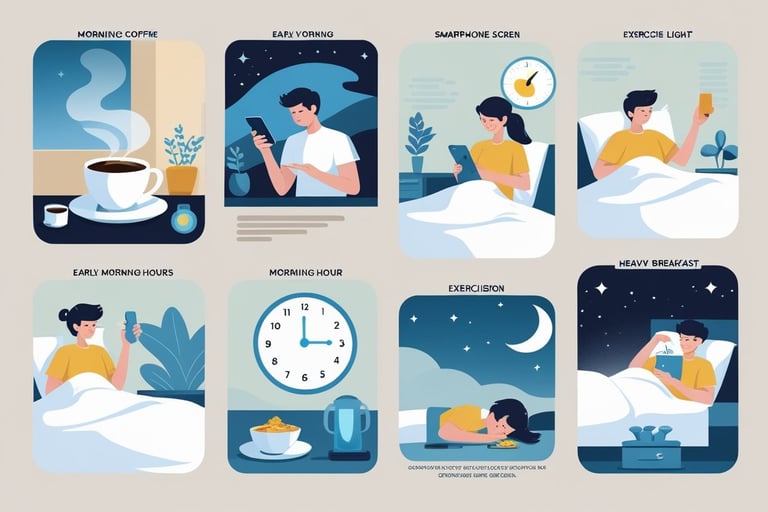
You often focus on evening rituals, but what you do the moment you wake can quietly wreck your sleep later. Skipping sunlight, grabbing caffeine too early, or scrolling through your phone can shift your body clock, spike stress hormones, and make falling asleep harder than it needs to be. Fixing a few simple morning habits can significantly improve how quickly you fall asleep and how rested you feel the next day.
This post pinpoints the morning moves that most commonly undermine nighttime rest and gives clear, practical swaps you can try right away. Expect straightforward tips that fit into a busy morning and start protecting your sleep before the day has really begun.
Key Takeways
Morning actions influence your sleep timing and quality for the whole night.
Small, consistent changes to your morning routine can restore a healthier sleep cycle.
Simple daily and environmental adjustments reduce nighttime wakefulness and improve rest.
Key Morning Habits That Harm Nighttime Sleep
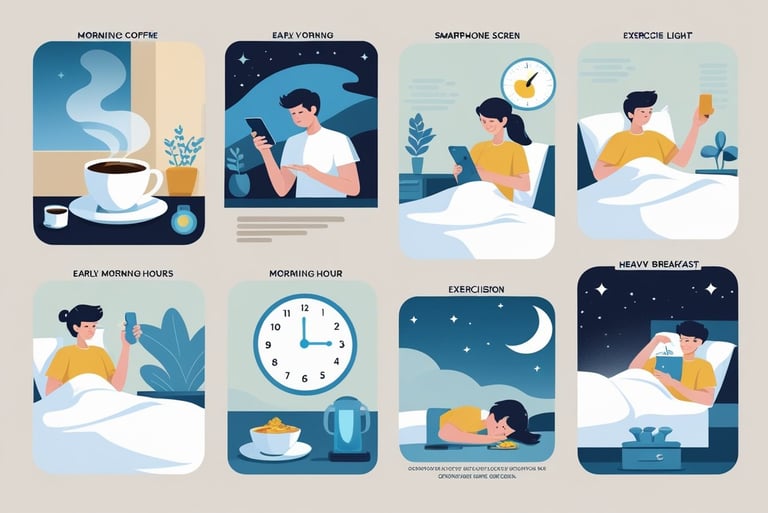
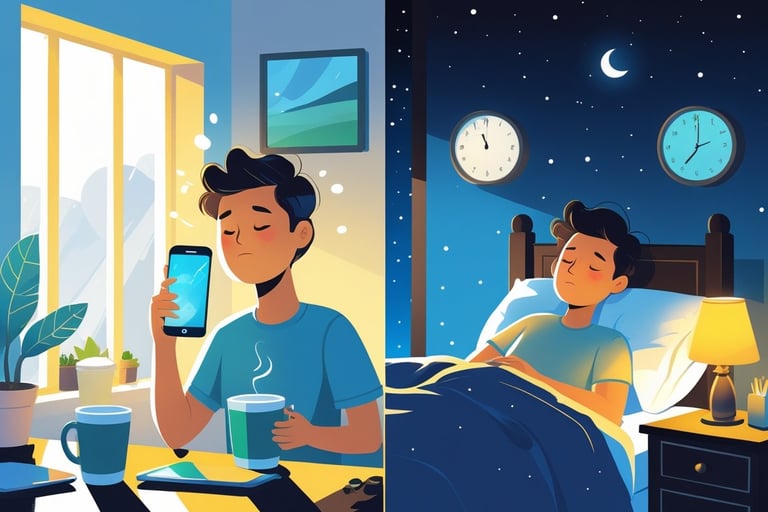
Morning choices shape your internal clock, daytime alertness, and the ease with which you fall asleep later. Small changes to wake times, caffeine, light exposure, and stress levels can significantly affect melatonin timing, sleep drive, and total sleep duration.
Irregular Sleep and Wake Times
When you shift your wake time by more than an hour between weekdays and weekends, you create "social jet lag" that confuses your circadian rhythm. That mismatch reduces melatonin predictability and weakens the sleep drive at night, so you lie awake even when you're tired.
Keeping a consistent sleep schedule — going to bed and waking within a 30- to 60-minute window daily — stabilizes your internal clock. Sleep experts recommend this to protect sleep quality and prevent accumulating sleep debt from repeated short nights.
If work or family routines force variability, anchor your schedule with a fixed wake time and use brief naps (20–30 minutes) cautiously to avoid further disrupting nighttime sleep. Track patterns for two weeks to spot and correct drift.
Excessive Morning Caffeine Intake
Consuming large amounts of caffeine or energy drinks early in the day can extend stimulant effects into the evening for people who metabolize caffeine slowly. Caffeine blocks adenosine, reducing sleep drive and delaying sleep onset even eight to ten hours after intake.
Limit morning caffeine to a single serving (for example, 80–100 mg from coffee) and avoid multiple high-dose drinks. If you still feel wired late at night, try switching to half-strength coffee or delaying caffeine until after initial morning tasks, rather than doubling doses.
Be mindful of total daily caffeine from tea, soda, and chocolate. Track your intake and any correlation with poor sleep or reduced sleep duration to adjust consumption and protect sleep quality.
Low Exposure to Natural Light
Insufficient bright light in the morning fails to signal your circadian clock that the day has begun, which can delay melatonin suppression and shift your rhythm later. That shift makes it harder to fall asleep at a reasonable hour and reduces overall sleep duration.
Get at least 20–30 minutes of outdoor light within the first hour after waking, or use a light box delivering ~10,000 lux if outdoor exposure isn't possible. Even standing by a sunny window while you eat breakfast helps anchor your sleep-wake cycle.
Consistent morning light improves daytime alertness and aligns melatonin production with night, reducing social jet lag and improving sleep quality over days to weeks.
High Stress or Anxiety Upon Waking
Starting your day with immediate stressful tasks, urgent emails, or intense planning raises cortisol and sympathetic arousal, which can persist into the evening. Chronic morning stress increases nighttime rumination, fragments sleep, and lengthens the time it takes to fall asleep.
Introduce brief morning routines that lower anxiety: 5–10 minutes of deep breathing, a short walk, or a prioritized to-do list with one clear first task. These actions reduce physiological stress markers and help carry calmer cognitive patterns into the evening.
If persistent anxiety interferes with sleep, consult a clinician or sleep expert about cognitive strategies and, if needed, targeted treatment to prevent long-term sleep deprivation and mounting sleep debt.
Daily Behaviors and Environmental Factors that Undermine Nighttime Rest
Small choices you make each morning can alter your sleep-wake cycle, melatonin timing, and ability to fall into deep sleep hours later. Targeted morning habits—what you see, when you move, and how you structure your day—shape sleep onset and the quality of your bedtime routine.
Excessive Screen Time and Blue Light in the Morning
Using bright screens for long stretches after waking suppresses morning melatonin clearance and can push your internal clock later. If you scroll for 30–90 minutes in bed or at breakfast, the blue light delays circadian signals that help you feel sleepy at night.
Minimize early exposure by moving important tasks to after you get natural daylight for 10–30 minutes. If you must use devices, enable blue-light reduction settings, wear certified blue light glasses, or lower screen brightness. These steps preserve the contrast between daytime light and evening dimness, supporting normal melatonin rise before bedtime.
Lack of Physical Activity Early in the Day
Skipping movement in the first half of the day reduces daytime energy expenditure and weakens sleep pressure that builds toward night. If you remain sedentary until late afternoon, you may not generate enough sleep drive, causing difficulty achieving deep sleep and longer sleep onset time.
Aim for at least 20–30 minutes of moderate activity (brisk walk, cycling, or a short workout) within the morning or early afternoon window. Morning exercise helps anchor your circadian rhythm and improves sleep hygiene without overstimulating you if done too close to bedtime. Gentle morning meditation or stretching can also stabilize cortisol and help a consistent bedtime.
Skipping a Structured Morning Routine
An unstructured morning disrupts cues that sync your biological clock. When you skip consistent wake-up times, bright-light exposure, morning meals, or a predictable sequence (bath, caffeine, work start), your sleep-wake cycle fragments and bedtime becomes inconsistent.
Create a concise routine: wake at the same time, get 10–30 minutes of daylight, eat a protein-rich breakfast, and follow a short wind-down checklist for evenings. Consistent timing reduces reliance on long naps and prevents irregular sleep onset. A predictable day improves your ability to maintain a consistent bedtime and effective bedtime routine.
Poor Sleep Environment Carryover
If you bring daytime chaos into the bedroom, you undermine the sleep environment you need for restorative rest. Working in bed, leaving room lights on late, or allowing daytime noise patterns to persist at night prevents sleep onset and reduces deep sleep proportion.
Keep bedroom conditions focused on sleep: use blackout curtains, set a cool temperature, reserve the bed for sleep and sex only, and remove screens an hour before bed. Carry forward a brief daytime habit—like turning off bright overhead lights and switching to low warm lamps in the evening—to cue melatonin production and strengthen your bedtime wind-down routine.



The Healthyish Protocol
Stay connected and follow us on social media for the latest updates!
Express your ideas or propose a topic.
© 2024. All rights reserved.