Signs Your Stress Is Out of Control
Clear Behavioral and Physical Warning Signs to Act On
MIND AND BODY
2/18/20264 min read
Signs Your Stress Is Out of Control: Clear Behavioral and Physical Warning Signs to Act On
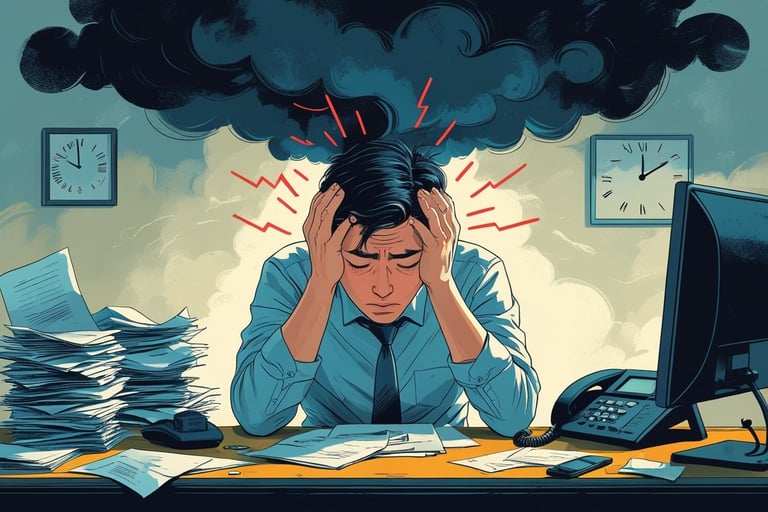
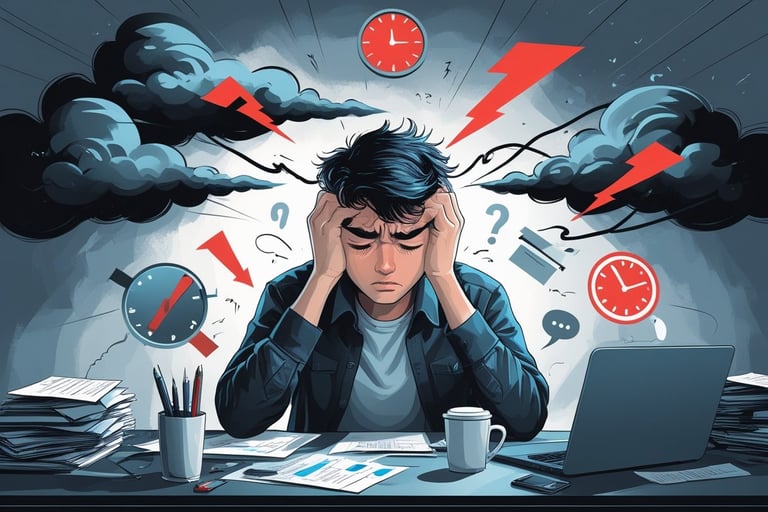
Stress that feels constant or overwhelming is not just annoying — it can quietly harm your health and daily life. You know when worry, sleep loss, or burnout start taking over your thoughts, mood, or energy; those are clear signs your stress is out of control. If you notice persistent physical symptoms, sharp mood swings, or trouble handling normal tasks, act now to prevent bigger problems.
This post will help you spot the common warning signs and understand why they happen so you can take clear steps to regain balance. You’ll learn practical clues to watch for and simple first moves to reduce pressure before it becomes a crisis.
Key Takeaways
Noticeable physical or mental changes often mean stress is too high.
Pay attention to patterns that interfere with daily life.
Addressing causes early helps you regain control and health.
Warning Signs Your Stress Is Out of Control
You may notice physical wear, emotional ups and downs, and changes in thinking or social habits. These signs often show up together and can signal that stress is harming your daily life and health.
Physical Symptoms to Watch For
Watch for ongoing sleep changes like insomnia, disrupted sleep, or restless nights. Missing deep sleep or waking often leaves you tired and makes concentration harder the next day.
Pay attention to muscle tension, headaches, and an increased heart rate. These stay-active symptoms can lead to chronic pain or raise your blood pressure over time.
Look for digestive problems such as irritable bowel syndrome or appetite changes. Stress can also weaken your immune system, making colds or infections more frequent.
Note changes in sex drive or energy. If you feel constantly drained or lose interest in sex, that often points to burnout or prolonged stress.
Emotional and Behavioral Changes
You might feel mood swings, irritability, or sudden outbursts. Small things can trigger big reactions when your stress builds up.
Anxiety and frequent repetitive negative thoughts are common. Worry may become constant and make it hard to calm down or relax.
Watch for social withdrawal and decreased interest in activities you used to enjoy. Pulling away from friends and family often signals that stress is overwhelming your coping skills.
Eating disorders, increased substance use, or other risky behaviors can appear as attempts to cope. These actions often make stress worse and raise the risk of long-term problems.
Cognitive and Social Warning Signs
You may struggle with difficulty concentrating, forgetfulness, or slowed thinking. Tasks that used to be simple can feel confusing or impossible.
Overstimulation and trouble regulating emotions can affect how you handle work and relationships. You might snap at coworkers or avoid social situations to prevent feeling overwhelmed.
If you notice persistent sleep disturbances, intrusive memories, or symptoms that resemble PTSD after a trauma, seek help. These cognitive and social changes often interfere with job performance, school, and close relationships.
If several of these signs appear together and last weeks, consider talking to a health professional. For a quick checklist of common stress signs to track, see this list of stress warning signs and symptoms.
Underlying Causes and Addressing Unchecked Stress
Unchecked stress often builds from repeated pressure and unmet needs. You can end up feeling exhausted, distracted, or unable to problem-solve, which makes small problems grow into bigger ones.
Chronic Stress and Compounding Factors
Chronic stress happens when your body stays in the stress response for weeks or months. Work pressure, chronic financial stress, ongoing caregiving, or persistent conflict keep stress hormones high. These pressures add up; one source may trigger another — for example, job stress can worsen sleep and increase social isolation, which then raises anxiety.
Watch for patterns: constant muscle tension, trouble concentrating, sleep loss, or avoiding friends. If you have a diagnosed condition like generalized anxiety disorder or OCD, daily stress can amplify symptoms. Try targeted steps: set a small, specific worry limit each day, build a 10–20 minute calming routine, and use time blocks to tackle money or work tasks. A stress management coach can help you make a step-by-step plan and hold you accountable.
Long-Term Consequences of Unmanaged Stress
When stress stays high, your body and mind change. You can develop chronic headaches, high blood pressure, weight gain, and immune problems. Mentally, prolonged stress raises risk for anxiety disorders, depression, or worsening OCD symptoms. Your relationships and job performance suffer, too.
Take action early. Track stressors and reactions in a simple list or journal. Prioritize sleep, movement, and small social contacts to reduce isolation. Learn a few calm tools — breathing, brief walks, or scheduled breaks — and practice them daily. These steps lower immediate symptoms and cut the chance of long-term health problems.
When to Seek Professional Help
You should reach out if stress stops you from daily life, work, or relationships. Seek a mental health professional when panic attacks, suicidal thoughts, unmanaged anger, or marked decline in function appear. If anxiety or OCD symptoms grow despite self-help, contact a psychiatrist or therapist for medication evaluation or therapy options.
Use these signs to choose help:
You can’t sleep or eat for more than two weeks.
Stress causes repeated sick days or missed deadlines.
You withdraw from friends or safety nets.
A psychiatrist can assess medication needs. A therapist or licensed coach can teach coping skills. Call your primary care or a crisis line immediately if you feel you might harm yourself. If you’re unsure where to start, ask your doctor for a referral to a mental health professional.
The Healthyish Protocol
Stay connected and follow us on social media for the latest updates!
Express your ideas or propose a topic.
© 2024. All rights reserved.